

Description
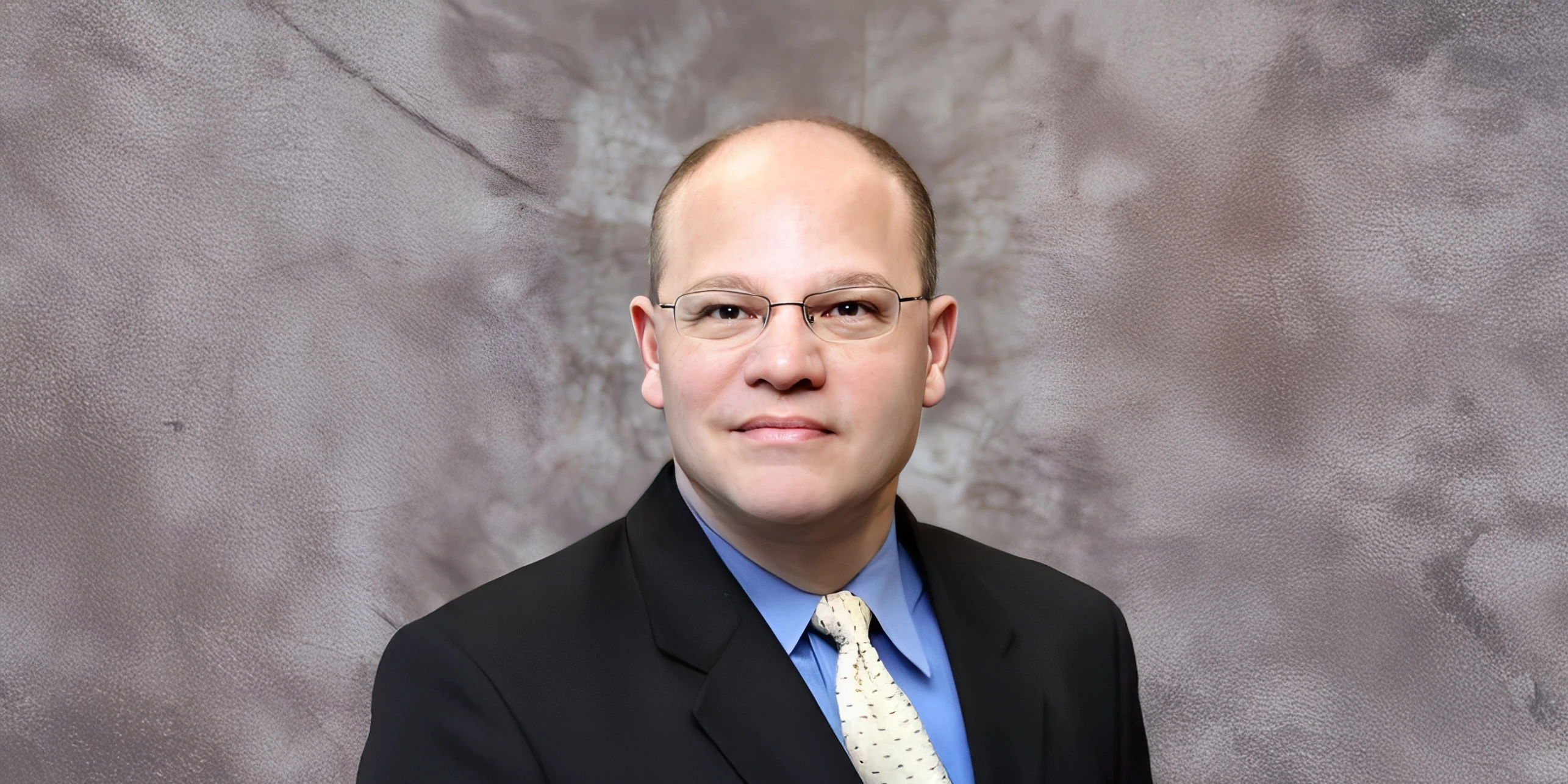
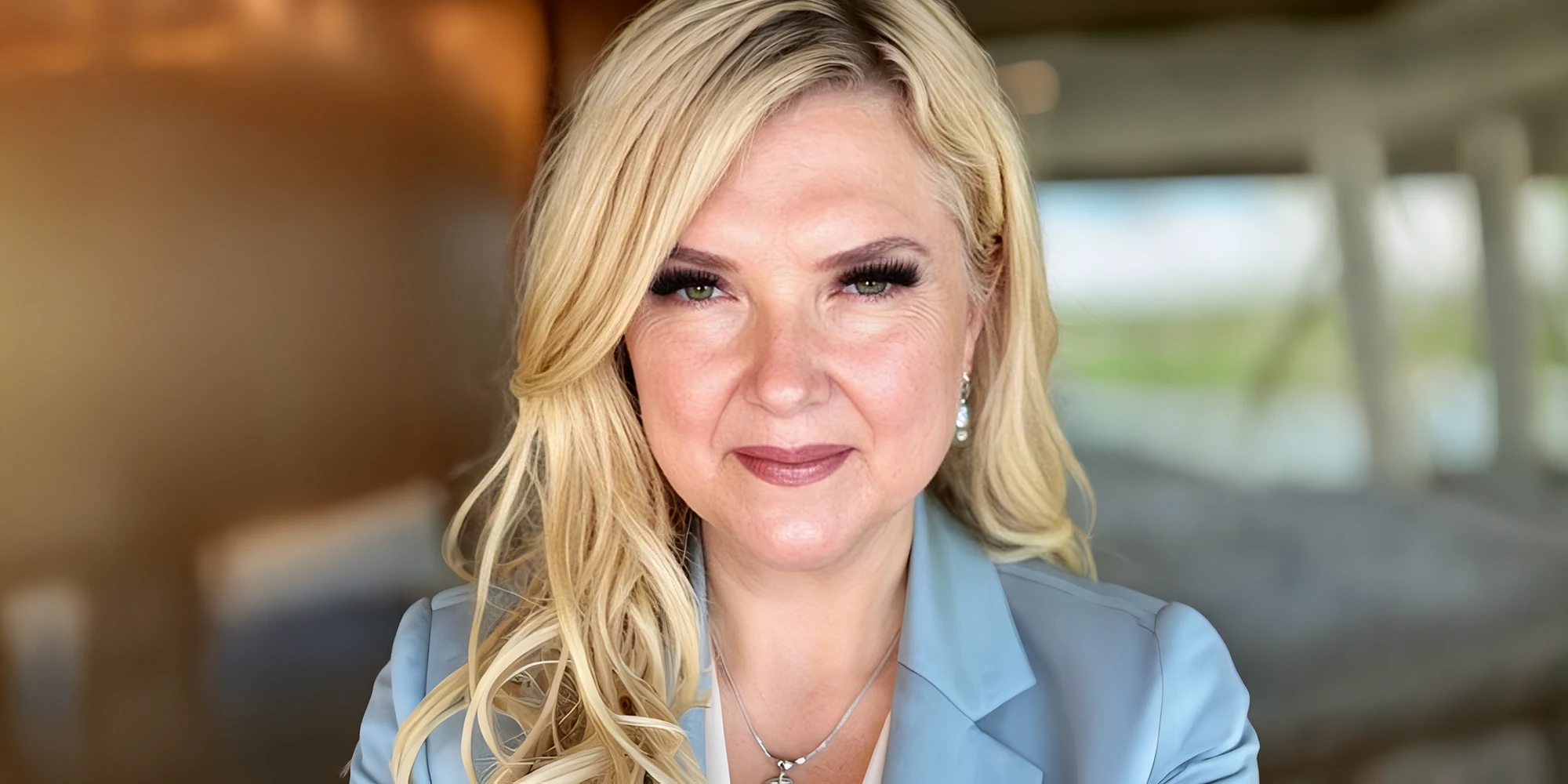
In this episode of The Curiosity Current, hosts Molly and Stephanie sit down with Steve Markenson, Vice President of Research & Insights at FMI – The Food Industry Association and President at WBA Research, to explore how broad, industry-wide research shapes the trillion-dollar food retail ecosystem. With more than two decades in market research, Steve explains how FMI connects data, policy, and practice to help the entire food industry make smarter decisions. He breaks down FMI’s ACE model (Advocate, Collaborate, Educate) and shows how research guides everything from SNAP benefits and tariffs to consumer trends and labeling standards. Through the Value Matrix, Steve reframes value as a balance of quality, relevance, experience, and convenience, helping brands see why shoppers’ trade-offs are rarely irrational. The discussion turns to the role of technology and AI in the research process. Steve shares why AI can improve speed but not replace the curiosity and empathy that define good insight. He calls it the “paintbrush,” reminding us that real understanding still comes from people. For insight leaders and researchers, this episode is a vivid look at how data, discipline, and human judgment come together to feed an entire industry.
Transcript
Steve - 00:00:00:
The foundation of what we do in research really hasn't changed. You spend a lot of time listening. You spend a lot of time answering questions. You spend a lot of time looking at data, and you really try and understand people. As a good researcher, you wanna put yourself in other people's shoes.
Molly - 00:00:17:
Hello, fellow insight seekers. I'm your host, Molly, and welcome to the Curiosity Current. We're so glad to have you here.
Stephanie - 00:00:25:
And I'm your host, Stephanie. We're here to dive into the fast-moving waters of market research where curiosity isn't just encouraged, it's essential.
Molly - 00:00:34:
Each episode, we'll explore what's shaping the world of consumer behavior from fresh trends and new tech to the stories behind the data.
Stephanie - 00:00:42:
From bold innovations to the human quirks that move markets, we'll explore how curiosity fuels smarter research and sharper insights.
Molly - 00:00:52:
So, whether you're deep into the data or just here for the fun of discovery, grab your life vest and join us as we ride the curiosity current.
Molly - 00:01:02:
Today, we're joined by Steve Markenson, Vice President of Research and Insights at FMI, the Food Industry Association.
Stephanie - 00:01:10:
Steve is a market research veteran with decades of experience. He's led research programs at WBA Research and is now guiding insights across the $800 billion food industry at FMI. He's earned the Insights Association Master Designation and has personally moderated over 750 focus groups, which is mind-boggling, and is also an adjunct professor and guest lecturer.
Molly - 00:01:36:
Today, we're going to explore how industry-wide research shapes the food retail ecosystem, how consumer behavior is evolving, how emerging technologies and analytics are transforming how we make decisions, and, of course, all kinds of cool things about Steve. Steve, welcome to the show.
Steve - 00:01:53:
Thank you, Molly. Glad to be here. Excited to chat with you guys. Nice to see you, Stephanie.
Stephanie - 00:01:57:
Same. Absolutely. Well, let's jump right in. You know, Steve, as we just laid out, you've spent decades kinda shaping the market research landscape both at WBA and now at FMI, where you're generating insights that impact an entire industry. Looking back, how has your approach to insights evolved over the years? So, you know, as technology, consumer behavior, and the retail landscape in particular have shifted.
Steve - 00:02:23:
Yeah. It's been a long and interesting career. I've seen lots of changes, and it's kinda funny. I just came from the market research event out in Las Vegas, and there's a lot of discussion about how things are changing even more quickly now. But I started way back at a time when we had this thing called punch cards, and I remember the machines with the 800 cards on them, and you ran them through. And I remember my first day at ORC in Princeton, New Jersey, where I started. And part of the training was that we had to get on the phone and actually call people up on their landlines with a paper and pencil survey and actually interview them. And I remember I felt this was staged, but I remember the first. They had me do an interview, and this woman from Georgia answered their phone. And it was one of those surveys that was, you know, how are things going in the world? What are the problems of the world? Her answer for everything, “God has the answer. God has the answer.” And I'm like, but she wouldn't answer my questions. I still think it was a staged training in some way. They decided to put me through that to see what it was really like to talk to consumers. But, I mean, things have changed so much over the years from paper and pencil. In the 90s, we had AOL and the Internet, and it was gonna change so much how we were gonna do. And then cell phones come along, and, you know, that's gonna change how we're gonna do surveys. You know, the tools just keep changing. You know, you talked about focus groups. There used to be, I remember when I started, there was a joke - there were more focus group facilities in the United States than there were Starbucks, but now that's obviously changed. We do everything online. There's a day when we, actually, when I started at FMI eight years ago, we would actually go shopping with people and, you know, go into their homes. But, you know, certainly, technology has changed that in many ways, both positive and negative, in terms of how we implement a lot of this type of stuff. And then now there's, you know, a few years ago, I remember, you know, the big data. All this data. We have all this data. How are we gonna deal with it? Now it's, you know, artificial intelligence can do it all for you. So there are all these different tools. I used to, you brought up, you know, my guest lecturing. I used to do this presentation where I had a page, I had Neapolitan ice cream and then had Baskin-Robbins. There were three ways of doing research. You could do a telephone survey or a focus group, or you could go door-to-door. Now there's, you know, an infinite number of ways we analyze it, loyalty cards, social media scraping, you know, number of impressions on websites. There's just so much more out there to look at. So but the foundation of what we do in research really hasn't changed. You know, you spend a lot of time listening. You spend a lot of time answering questions. You spend a lot of time looking at data, and you really try and understand people. So one of the things that I know that I've always tried to do, and I talked about this as a good researcher, you wanna put yourself in other people's shoes. Certainly, it's the consumer when you're talking to the consumer. But when you're presenting to the CEO, you wanna put yourself in his shoes. What does the CEO want to do? So lots of new tools, lots of technology over the years, but the bottom line of what we do is still very foundationally very much the same.
Stephanie - 00:05:22:
I love that notion of the empathy that we, because I think we talk about that a lot, the empathy towards the the consumers, but that empathy has to,f it extends across the life cycle of what you're doing to your internal stakeholders when you're, you know, going through the process of walking them through those insights. It's a great insight. Yeah.
Steve - 00:05:40:
Yeah. And then, you know, the consumer is central to everything we do, and sometimes we think they're stupid, dumb. We don't understand what they're doing, but they know what they're trying to do, and it's our job to understand their mindset. I know we'll talk a little bit more about some of the particular research we do, and I'll point out a few of those things as we go through the discussion, I hope.
Molly - 00:05:59:
Well, you mentioned, you know, having so many different stakeholders in the conversation and pivoting who you're talking to and how you're talking about them. And the food industry is massive. We just said, you know, in your intro, it's worth over $800 billion and is, I'd say, one of the biggest, if not the biggest, impacts that people have in their daily lives. What am I gonna eat for lunch? What am I gonna make for my family for dinner? So when you're researching this whole space and you're trying to pull out the key insights from that, out of all those stakeholders, whose voice is the hardest to capture, and who's really critical in that conversation but can sometimes be left out?
Steve - 00:06:37:
Let me update you on one number here. You guys have said $800 billion. Well, it's officially now $1 trillion.
Molly - 00:06:44:
Oh my gosh!
Steve - 00:06:46:
Fortunately, thanks to inflation, but also because people are eating at home more often. So people are not going to get grocery. Restaurant inflation isn't pretty extreme, the economy and whatnot. So we can now say $1 trillion. We don't, you know, get excited.
Molly - 00:06:58:
That's a nice, that's a way better nice round number anyway.
Steve - 00:07:02:
But your question is in terms of the different stakeholders and whatnot, actually, go back to what was your question again? I got sidetracked on the $1 trillion there.
Molly - 00:07:13:
Oh, that there are so many stakeholders in this conversation. I mean, you take this now trillion-dollar industry, and everyone is involved. Everybody has a piece. And you're saying that you kind of pivoted the way that you were speaking to people, putting yourself in their shoes. So who's really crucial, but is getting left out of that conversation that, you know, you have to intentionally try to capture?
Steve - 00:07:34:
Yeah. Well, I hope nobody's being left out. The wonderful thing, so…
Molly - 00:07:38:
That's the best answer.
Steve - 00:07:40:
Early in my career, when I was doing work in the financial services arena and for health care, that's boring stuff to talk about. The wonderful thing about what I have now is that everybody likes to talk about food. Everybody has an opinion about food. Maybe, you know, about eating healthy, about nutrition, about exploring new foods. Everybody, you know, is interested in food. In terms of leaving folks out, I hope we don't leave folks out, but we try and include opinions from a broad sense of the community. I know, like, right now, as we're doing this interview, we have this whole debate going on with the SNAP benefits and funding SNAP, and that's very scary. We try very much as an industry association. We wanna feed and nourish all lives. We wanna, you know, food is so important. It's so essential to everybody.
Molly - 00:08:27:
That’s wonderful.
Steve - 00:08:29:
But yeah. I mean, you know, we definitely reach out and try and do that. FMI has been around for about fifty years now. We really try and bring together diverse groups and stakeholders throughout the industry. We represent the food retailers, the grocery stores of America. We also represent the wholesalers who get the food to the retailers. We also represent the suppliers, you know? Sometimes it's the big Kraft Heinzes of the world and Kellogg’s and Kallenova’s, but also it's the farmers of the world who are trying to feed and nourish lives. So we do do a lot in that regard. As an organization, we have a little acronym that we always use to talk about what we do and explain to folks what we do. We call it ACE - Advocate, Collaborate, and Educate. We certainly advocate. And this year, we're doing a lot of advocating in Washington in terms of SNAP benefits and things like that and what's happening with the food industry and the impact of tariffs on the food supply and the cost of food. And even, you know, like, when it comes to tariffs, people don't realize, you can put as much tariffs on bananas as you want, but we can't grow bananas in the United States.
Stephanie - 00:09:36:
Right.
Steve - 00:09:38:
Right. It's gonna be, you know, so..
Stephanie - 00:09:40:
You know, you're gonna pay for that. Yeah.
Steve - 00:09:42:
Yeah. It's important when I just said in terms of the advocate. We also very much collaborate across the industry. Wanna bring folks together, you know, when it comes to some of these issues. Now, for example, with ingredients and food coloring and things like that, bringing the suppliers and the retailers together to speak in the same way and understand that we all want people to eat healthy. That is what is our goal, and you know, understanding how we can, you know, adjust as consumer requests change, as government requirements change. And the E part of that, the Educate, a lot of our research is instrumental in terms of educating our members, educating elected officials, just educating Americans is what's happening. I mean, we dealt with that very much so over the past few years with the inflation of food and understanding what was driving that inflation. So we definitely do that. I'm gonna do a little shameless plug here. On our website, fmi.org, we have tons of research. We have about 30 reports we release every year. Our trends page is on, there's a US grocery shopper trends that we've been doing, and I'll talk a little bit more on that as we go through. We just won a gold medal award for the website, so the experience is really kinda cool as you see.
Molly - 00:10:52:
Oh, congratulations! Yes.
Steve - 00:10:55:
We have some really smart and savvy communications folks, marketing folks on our team that really take our research and make it appetizing for people, if I can use a food analogy in terms of being able to absorb it and get what they want out of it. And, you know, all the research we do, though, we really very much do it for the industry on behalf of the industry. And I know we'll talk about this, how we try and play Switzerland a little bit with everything. But we try and be very smart and actionable with our research, but we're asking the industry what they wanna know about. We're asking the media what we should be asking questions about for them to understand what's happening in food, so people can get fed. And we also have a lot of different committees with it. We're a committee-driven organization. We have all kinds of little niches, whether it's our seafood committee, our fresh foods committee. I have my own research and insights committee, digital commerce committee. So we cover a lot of different aspects of things and really try and, you know, speak on behalf, and the research is very integral and has become very integral to that. It's one thing to say, you know, we're in a tight margin industry, but our research shows that the industry profit margin is 1.7%. You know, as we say, we're chasing pennies all the time. It helps people understand with actual facts, but and understand what's going on. And also on the consumer side, how much they're spending, how they're feeling about inflation. We had this in our trends research; it's been two years. It was two years ago where we developed what we called The Value Matrix to understand how people define value. It's not just about the cheapest food. There's more to it than that. So, you know, all those types of things are very helpful in terms of speaking on behalf of the industry and being the voice of the food industry.
Molly - 00:12:36:
And that's fantastic that there's that massive holistic lens. I think that's what I was really trying to get out with this question, is you know, seeing how you, to use a very corporate term, boil the ocean, how you make sure that everybody and another food analogy, I'll dive into that, has a seat at the table in this research.
Steve - 00:12:52:
Yes. Very true. Very true. Yes. And, you know, you guys provide a great opportunity for us to share what we do. And, you know, I do other, I presented at various conferences, and our team of SMEs, as we call them, the subject matter experts are out there just kinda, you know, spreading the good word about, you know, the food industry in terms of what's happening and helping people understand, you know, how they could better feed themselves, quite honestly.
Molly - 00:13:16:
What an incredible mission.
Steve - 00:13:17:
Yeah.
Stephanie - 00:13:18:
Yep. I love it. So, you know, we've talked a little bit about, like, the massive amount of internal stakeholders that are sort of your committee of folks. Diving into your audience, you know, consumers, really, the people who we're trying to learn more about, it strikes me that, you know, FMI's research is often highlighting the nuanced needs of different consumer segments, like parents. As you mentioned earlier, juggling convenience, health, costs, all these things that we do as parents, how do you balance sort of creating these granular insights that are, you know, very pointed and very specific to these subgroups that are large and obviously high value, but with making sort of high-level recommendations that can drive industry-wide strategies?
Steve - 00:14:06:
Yeah. We like to say we play Switzerland, as I brought up earlier. And it's often difficult to be Switzerland because you really do wanna dive into certain things that are happening in different segments of the market, but we have to take a more holistic view of what's going on. But we also want everyone to, it's a balance gap because you want to understand, I know, like, when I started, was it nine years ago, eight years ago, Amazon had just bought Whole Foods, and everyone's trying to understand how that's going on. Well, we wanna understand how that was gonna change the food landscape, but we had to do it in a way where we didn't call out Amazon or Whole Foods in terms of what they're doing. And, you know, I've heard, I was not at FMI back when Walmart really dove into food back there about twenty years ago. That changed the landscape a lot. Now we have new players in the market, even now. So we need to talk about these things, but we need to be objectively talking about them in terms of, you know, sometimes we sorta kinda have to put it out there, and the different audiences who are using our research have to be able to kinda read between the lines as to how it might affect them in terms of what's going on. But, you know, we certainly wanna take deep dives into different segments. I'm one who doesn't like to, everyone wants, for example, Gen Z. Everybody wants to know Gen Z, especially now we're at a stage where they're now starting families and they're doing their own grocery shopping and, you know, very much involved in that understanding that. But I think it's important not to put folks into different boxes when it comes to different segments of consumers. I've heard a couple of different versions of the way of doing this, but you can talk about baby boomers. Donald Trump and Elton John are both baby boomers. But Donald Trump and Elton John are not at all alike in terms of the way they may look at the world, similarly with Gen Z. I know when I started nine years ago, the millennials were the big focus because they were coming of age. Well, so much when it comes to food isn't so much about how old you are. It's a lot about life-saving family.
Stephanie - 00:16:09:
Of course.
Steve - 00:16:09:
You know, the millennials who are now getting married and have kids, some millennials are, you know, going out on their own or whatever and are not having kids. That changes so much of the dimensions in terms of your food consumption and food habits and and where you buy food and how you approach food.
Stephanie - 00:16:26:
I think it's so easy for life stage differences to masquerade as generational differences. And it's, people wanted…
Molly - 00:16:34:
Oh! That's so true.
Stephanie - 00:16:35:
Yeah. And it's so interesting because, like, yes, there are differences, but they are often life stage differences, not generational.
Steve - 00:16:41:
And then even you brought up parents earlier, looking at parents' households with kids. I mean, you have households with kids now. The parents are 60 years old or maybe 50 or whatever. You know, they might have teenagers or whatever. And then you have some that are, you know, 22 and have kids. I mean, there's just a lot of different dynamics going on. So you have to be careful about putting folks in a box.
Stephanie - 00:17:00:
In a box. Yeah.
Steve - 00:17:02:
Yeah. I mean, one of the things, if I can talk a little about some of our trends research, I brought up the value metrics that we unveiled about, it was two and a half years ago. So if you all recall, you know, inflation was, you know, going crazy for a while there. It was quite honestly only really about three months where inflation was crazy, but it was, like, up and then nothing was going down, so people just saw that their prices were going up and then they sometimes people don't always know how much, you know, bread costs until they everyone starts hollering about it, and then they realize, oh, it costs that much. But we really, with our trends research, we've been tracking very specific behaviors. Who's shopping? How much are they spending? Where are they shopping? We've been tracking that for years, but we always have a focus area. So two and a half years ago, we wanted to look at how people define value, and we developed this thing called The Value Matrix. And, again, it's not always about the cheapest food. And, in fact, I would argue that a lot of times, people, when they see the cheapest thing, it's almost like a scarlet letter. They feel like they're giving up something if they're buying the cheapest. Are they giving up flavor? Are they giving up some nutrition? You know, what are they giving out? But we're really able to unveil and understand that shoppers look at value in a variety of different dimensions. One is the quality of the food. A lot of times, they're for certain things; they're willing to pay for the quality of, you know, I don't know, a good piece of fish, a good steak, that type of thing. You know, relevance, you know, whether that's sustainability, taste, you know, things like that, experience. People are very much now you know, food is an experience for people. It used to be more about just getting something on the table, you know, Wonder Bread and peanut butter or whatever. But now, there are all these different flavors that people are trying to do. So they're looking for different experiences, different ideas. And then, of course, coming out of the pandemic, during the pandemic, convenience was not so much of an issue. We were stuck at home. You had time to spend six hours making sourdough bread or whatever the case might be. But now we're back to a world where convenience very much reigns. So people are willing to make those trade-offs. You know, we do a lot of ethnographic work where now we don't go into people's homes, but we do, like we're doing right now, talk online to people. We have them create videos for us and send them in, show us, and take ‘em on a visual tour of their kitchens. So the technology's helped in terms of still what we know, we very much, you know, do the same thing. But I remember there's this one woman talking about onions. She will never buy a whole onion. She wants to buy the already chopped-up onion in the store. And I was like, you know, but you're paying, like, five times more per pound for that, but it's worth it for me, the convenience of not having to deal with that. The experience, I do not wanna chop up an onion, crying. Yes. Wapping the eyes.
Molly - 00:19:38:
Yeah. I was gonna say this chopped up onion is way cheaper than the goggles I have to buy to chop an onion.
Steve - 00:19:44:
Another perfect example is somewhere, one of our members, who I was at one of our meetings, was complaining. You know, people keep complaining our private brand beans are now more than a dollar a can. But I look at this cart, and they have three cannolis at $4 each for the bakery sitting in there, but they're complaining about the dollar a can now that beans, but that's the trade-off, people, you know, they want that expert with a good cannoli, you know? I don't know if you like cannoli or not, but you know what I mean. Those types of things that you know, those are the trade-offs people wanna make. So it's interesting to understand those things. In a perfect example of that, you know, we talk about using our research, our members then have to sort of take that and figure out how it fits into how they approach their customers. What is their value proposition? What are they offering? The one thing we know is that shoppers shop an average of five different stores in a 30-day period. They're going to one store for one thing. Maybe it's the cheapest price, another thing for better quality producer meats, another place because they can buy in bulk, you know? So people, yes, our members have to understand that value matrix, and then they have to connect it and tell them how it fits into what their strategies are. So, yeah, I would love to help them with that, but, unfortunately, I lay it out there for them and they have to kinda figure out if this thing. In the past, I've helped many a client do that, but yeah.
Molly - 00:21:02:
Yeah.
Steve - 00:21:03:
It’s a different dimension when you're in the association.
Stephanie - 00:21:06:
That's a fair point. Yeah.
Molly - 00:21:07:
You mentioned the pandemic and economic uncertainty and inflation, and SNAP benefits, and so many massive changes and how those are accelerating shifts in consumer behavior. I mean, there's just so much that's happening. And I think during the pandemic, for me personally, it was that I could order food in the middle of the night, and it would show up at my doorstep, and I didn't have to see anyone at any point in time. And, I mean, now I have a three-month-old son, so we live and breathe Amazon delivery. I don't think I've stepped foot in a grocery store in the last six months. So there are so many things that are stressing consumers, that's changing their behavior. So I'm curious, in all the research that you've done, what has been the most surprising thing that has come out of studying human behavior during these new stressors? And perhaps what is something that's permanent in this consumer behavior change that's not going back to the way it was before inflation, before tariffs, before the pandemic?
Steve - 00:22:04:
Yes. The past 5 or so years have been quite an adventure, from pandemic to people, we don't like to use the word hoarding food, but as we recall, we would grab whatever we cut off the shelves for a while there. It was kinda crazy.
Molly - 00:22:19:
What was going on with toilet paper?
Stephanie - 00:22:22:
Were you consuming… hand sanitizer? But, no, you're right. We were doing it with food.
Stephanie - 00:22:27:
We were doing it with everything. Yeah.
Steve - 00:22:29:
It was crazy. And then, you know, of course, we had the inflationary period. We've been going through things in the industry with meat shortages, meat prices going up. Yep.
Stephanie - 00:22:37:
Yeah.
Steve - 00:22:38:
Remember earlier this year, it’s out of my mind at the beginning with the egg situation where…
Molly - 00:22:44:
Oh, yes. Oh, my gosh. I had an egg tracker going just for almost sheer entertainment at this point.
Steve - 00:22:51:
People are, like, online trying to figure out what is the replacement for eggs and when I'm doing this? How do I get the protein in the new diet?
Stephanie - 00:22:59:
Oh yeah. Aquafaba.
Steve - 00:22:59:
There were all these different, you know, things on social media about that. I guess the one thing that kinda carries through all that for me is, as I said, I spent a lot of time talking to shoppers. They have very interesting perspectives on their food, but they are very resilient and they're savvy in terms of how they approach things. There was resilience of shoppers to figure out, you know, I think a lot of them have changed, maybe where they shop, how they approach shopping. Oh, you brought up, you know, only shopping online, pretty much, you're very much in the minority. Only 10% of shoppers only shop online.
Molly - 00:23:31:
Oh, well, but I think that's a life circumstance thing too. Like, I'm definitely gonna probably go to a grocery store at some point again. It's just right now, I'm not.
Steve - 00:23:42:
That's what we like to say, 90% of shoppers, even though online grocery shopping, you know, you can certainly talk go into this if we want, but online grocery shopping is growing. But the reality is, 90% of shoppers still do at least some of their shopping in store. And shopping for food is such, you know, the senses are a part of it. You have to wanna touch your food. I mean, sure, a box of…
Stephanie - 00:24:01:
Yes.
Steve - 00:24:02:
A box of cookies or a box of cereal is generally the same. But, you know, you should hear people talk about Bananas. My bananas, I buy two sides of Bananas. Bananas for the first time, Bananas for the second half of the week. Avocados, Tomatoes. It's just, you know, I wanna see the marbling in my meat, or I wanna see the seafood that I'm purchasing. So while online probably will continue to grow, the stores are probably gonna be changing over time. We call the perimeter of the stores, all those fresh foods, whether it's the bakery, the meat department, seafood, that's gonna continue to continue to evolve. But shoppers are definitely very resilient and savvy, and I think I've gone totally off this question of what you originally asked, but…
Molly - 00:24:41:
Oh, that's all good.
Steve - 00:24:43:
The reluctant savvy shoppers, I think, is what I've definitely learned, and it continues this year. I mean, certainly, we started with eggs. Now we have a lot of shoppers very confused and trying to figure out what with all the dyes and ultra-processed foods, and what is healthy. We just released a study about what does it mean to eat healthy. People say they eat healthy, but what does that mean? We focus on the people trying to avoid negative things in their diet, or they're trying to add more positive things. Protein, obviously, is the big kicker there. Yeah. I wanna try, I wanna get as much protein in my diet as I can.
Stephanie - 00:25:19:
We see this a lot with our food clients, this idea of, is it about free of or full of? Right? And whether that message is gonna be, yeah, one of, like, the negative things are not in this versus look at the positive things that this offers.
Steve - 00:25:34:
I like that. Yeah. I'm writing that down. Free of or full of. I like that one. I'm gonna steal that from you.
Stephanie - 00:25:40:
Feel free.
Steve - 00:25:41:
It's continually a confusing world for folks to figure out. But they are, you know, they find ways to figure it out, and they figure out what works for them. And I know, like, a lot of our members are like, well, they'll look at something. Well, that's stupid. Why do shoppers do that? That meets whatever need they have. Is it convenience? Is it experience? Is it just the cheapest? You know? Sometimes it's hard to understand, and it's really important to really kinda dig deep and figure that out with the consumer in terms of what's driving some other behaviors.
Stephanie - 00:26:10:
Well, and it's so interesting because food is, it's personal, it's cultural, it's political. It's all those things, you know? It's functional, but also it's how we celebrate. Like, what a fascinating vertical to work in.
Molly - 00:26:25:
It's so central to the human condition.
Steve - 00:26:28:
Yes. It is. It's foundational. Yes. Absolutely. Yep.
Molly - 00:26:31:
You know, we're talking about all these changes occurring. I think that's been a really recurring theme throughout our conversation. And you, as you mentioned, do a lot of guest lecturing and meeting people who are going to be the next face of this industry. How do you ensure that the next generation of professionals are prepared for this? What's something that you say to your students to help them prepare for the industry?
Steve - 00:26:58:
So I have two staff members, and I preach this to them constantly. And that is, you know, I think they think I'm a real geek. No, geezer and a geek at times, but you have to be a lifelong longer. You have to have that, you guys, your title of this, curiosity. You have to have that curiosity and desire to keep learning and figuring things out. It's both exciting and frustrating that the world is just constantly evolving, you know, all these things we've been talking about in the last five years, but that also makes it challenging and exciting in terms of what we do. So you always, I mean, my wife always picks on me. It's like, you know, stop reading about food, stop, you know, focusing on that. But it's curiosity. It's always wanting to learn and stay up-to-date, and you know what the latest trends are both for yourself and, you know, because I've learned so much over my career. I did boring stuff like life insurance and health insurance, but it helped me understand how to lead my life in a more efficient way, too. So, you know, always learning, always applying. And I think the one thing that I will say, there are programs now. When I started, there were not really college programs focusing on research. But now there are many more of those. There's also a lot of continuing education types of things you can certainly do. But a lot of folks, I think, in our industry started out as, like, I mean, I was a business and economics major. I don't know where, you know, I was just at the TMRE conference, and there were three women on the stage talking about their career paths. You know, one was, like, a psychology major, a sociology major. Fell into research and fell in love with it, but the common theme that they all had, and I'll just pick up on your curiosity current here, that curiosity, that desire to want to learn and understand more of what, you know, our fellow man is thinking about.
Stephanie - 00:28:51:
For sure. I think that's absolutely a central theme. We often will ask about that on the podcast. Like, how'd you get into market research? Because it's so fun. Nobody's story is, nobody these days, you're right, like, with our, you know, younger people coming into the field, I think we are gonna have more people who are like, oh, I have a master's in market research, right? But, like, those of us who have been in the field a long time, we come from such varied backgrounds, and I think that's a real strength, right, for us. So I always liked it.
Molly - 00:29:19:
It's always a profession that requires curiosity, though. Like a psychiatrist, a psychologist, you wanna know more about what makes humans tick. For myself, I have a journalism background, so I'm always interested in new information. There are a couple of different journalism majors that I know in the industry, and it all comes back to what makes the world work in XYZ spaces.
Steve - 00:29:42:
Right. And, also, just, you know, one of the things I also, is seek out information. Seek out watching podcasts like you guys do, the webinars that are out there. I signed up for, again; I'm a geek in some ways. I sign up for a lot of them. Sometimes I'll admit I don't listen to them live. I'll get the recording, and I'll play it back at 1.5x speed, you know, save me time. But I still can hear it and get it and learn whatever, you know, nuance that they're talking about from the consumer's perspective, whatever the latest research is, that type of thing. But, you know, one thing it's amazing. I don't know how long we've been talking at this point. We haven't brought up AI at all, have we?
Stephanie - 00:30:21:
Oh, I'm about to.
Steve - 00:30:23:
Okay. Well, I'll see where we go with that. I'll let you guys go forward.
Stephanie - 00:30:27:
Yeah. Let's see. But, I mean, yeah. And, you know, use this as a jumping-off point for sure. But I actually wanna come back to a stat from the introduction, Steve, when we were introducing you, where I said that you've moderated over 750 focus groups. It strikes me that over the course of doing all of that, you have seen expressions, microexpressions. You've heard hesitations and pauses. You've caught contradictions in what people are saying. As AI becomes more embedded in research, what can it never or not currently, at least, tell us about why people make the food choices that they make?
Steve - 00:31:05:
Yeah. It's interesting. I've been in two conferences in the past two months, the TMRE conference I just came from this week and the corporate researchers conference last month, and I think AI was everywhere constantly. I was just like, AI overload. Like, it was crazy. I think it is, I heard this at the corporate researchers conference. I don't know who to give credit to. Someone out there can tell me who said this, but “AI is the paintbrush, but we still need to be the painters.” And I think a lot of us who come up through, yeah. I like that one, Molly. Yes. I thought that was a great way of kinda putting things. But those of us who've come up through the industry and have spent eight hours coding a thousand open-ended questions, now AI can do it in five minutes, who've actually had the discussions as opposed to this artificial intelligence doing, you know, in-depth interviews in in in those types of things. I think the users of this need to understand it; you still need to be the painter and understand what's going on, and understand the consumer behind it. It makes me a little bit nervous in terms of what's going on. But, again, it's a tool, and it can help us be much more efficient, but it does not replace the nuance of what's going on. I still think that it is so important to really understand. It can help direct you in terms of, you know, people are focusing on this or a little bit more on this, but you still need to, you can't stop there. You still need to dig into ”what did the actual open end say?” Not that everyone's talking about this. I think it's very important not to let it do all the work for you. And then I'll still, I think this is a Ronald Reagan one, trust but verify. You know, you can trust it, but you still wanna go back and, you know, double-check it or whatever. I do think there are. I don't wanna be smart to anyone who's trying to develop some of these platforms that are out there, but there are a lot of shiny objects out there that people are chasing. And I've had my team test a few things. We tested a couple of the platforms, and then we just put a bunch of open ends into, I think they put it in Copilot, and it literally came out with the same thing. So, should we pay for this extra platform, or should we already have Copilot, or I don't know if it's Copilot or ChatGPT, but whatever. You get the point. It came out with the same thing. And it's interesting because a lot of the, just be careful because I think a lot of, there's a time and a place. A lot of the research that I'm doing is much more broader, general industry research. If you're really trying to dig into why people like Oreo cookies and the filling or the cookie itself matters that much, you might still need to dig a lot deeper for that. But what worked for us was, you know, kind of that broader just using COPA. And I've seen a lot of these platforms too that literally will write the questionnaire for you, program it, and it's pretty amazing stuff. But, again, it only knows what it knows, and it makes me nervous that when my colleague Allison was talking about the dead Internet. You know, at some point, are we only gonna know what we know and not know anything beyond what we know? And the, you know, the world that…
Stephanie - 00:34:08:
It’s just that circular-like, it's, yeah.
Steve - 00:34:09:
Yeah. We're stuck in a circular logic loop or whatever. The world keeps changing, so we need to make sure that we're looking for that nuance, as you said, in terms of how people are responding to those subtle little trends and things that are going on.
Stephanie - 00:34:24:
Absolutely. And I think there's something in there that I wanted to pull on a little bit, mostly because I really to it a lot. But so we're definitely one of those tools that has, you know or one of those platforms that has many of these tools. And I would argue that one of the benefits of having it on a platform versus doing it in ChatGPT is that then it's right there in your dataset. So I think there are advantages to it. But I have had this experience myself, and it seemed like you were kind of hinting at it too, where it's like, sure, it can code it all up. And that's great because then the answer has gone from being unstructured to structured data. I've missed something, though, as an analyst, because me going through that data, I'm learning, right? I am starting to build that story, and having that action taken away from me reduces my ability to do that. And so we have to build, like, let's save ourselves time. Let's do it. But we have to build compensatory actions to make sure we're still learning and not just, like, taking it at face value and, like, because we just don't absorb it once it's been done for us, like, the doing of it is part of the, yeah.
Steve - 00:35:28:
Absolutely. And you also don't, I mean, it worries me that we're gonna, everyone talks about how this will replace your research assistant, research manager, research, you know, like, your mid-level, low-level research person. But then, where do those people, I mean, that's where I came from. I started as a little research assistant, you know. And I'm assuming you guys do. So, you know, how does that affect the future of the industry if people don't have that kinda foundational, basic understanding of data and the nuance of what people are actually saying?
Stephanie - 00:35:57:
Yeah. Yeah. It's something we're gonna have to wrestle with in all industries, really, right?
Steve - 00:36:03:
Yes. Absolutely. But to your point, I mean, again, you know, the paintbrush, painter thing, these are tools. And if you know how to use them and use them properly, they can be great assets for you and help you. So just to understand what you're trying to do and what it can do for you, you know, you gotta make sure that the right connection comes there.
Molly - 00:36:19:
I mean, but now clients are expecting researchers to paint really, really fast. You know? They're expecting rapid insights to make rapid decisions. I mean, and how fast the trend cycles are these days. I mean, eggs make the news, but then the next week, it's something else.
Stephanie - 00:36:39:
Yeah.
Molly - 00:36:40:
So, you know, utilizing these tools and even wrapping your head around some of these things, how do you balance the need for this really, really fast turnaround, but still with the need for robust and accurate data? What's that balancing act look like?
Steve - 00:36:54:
Yes. It is a balancing act. I will say I saw a presentation at TMRE. I think it was Coca-Cola, and they literally did a project where it happened in 24 hours, and they have offices around the world. And literally, it was eight hours here, then the time sound differences. The next group jumped in eight hours later, and the next group jumped in eight hours. And the other group showed up a more next morning, and the project was completed. It was an around-the-world project.
Molly - 00:37:21:
Oh, my God.
Steve - 00:37:23:
And there was AI involved in it, obviously, etcetera, but it was, yeah, talk about fast. We don't go that fast. But yeah. I mean, we try to stay ahead of what's happening in the industry because we wanna, you know, be a resource for our members. So we're always trying to stay up-to-date. We have a number of SMEs, subject matter experts, that are talking to folks in the industry, finding out what they need to know, what's going on out there in the world, etcetera. We do a combination of, depending on what the project is, of outsourcing or do it ourselves. You know, we have our own platform. So if we need to do a survey over the weekend, and we've done it, I did it during the pandemic. The first week of the pandemic, we did a survey. I joke with my colleague. I never did an all-nighter in college, but I did an all-nighter the first week of the pandemic to get our survey up, to get back. So, you know, but to your point, it's dangerous because you're rushing so fast. What are you missing? So you gotta balance those things out a lot in terms of it and just understand, you know, what you're sharing with folks and that, you know, it may be more superficial at this point. Sometimes you can come back later with more detail, but sometimes we've gone on to the next issue. So, you know, but we definitely, and a perfect example was, like, with the tariffs this year. I don't know if you recall, but was it April 2nd when they announced? Was it Emancipation Day, I think, what the president called it with the term. Well, we knew that was coming. On April 3rd, we launched a survey in over three days and then had results the following week to find out how consumers were feeling about it to share with our members. So, again, it was superficial. So, but it's what people, our members wanna know at least, you know, which way the wind was blowing, as they say, in terms of…
Stephanie - 00:39:17:
Just in time insights, yes, sometimes are critical, right? And yeah.
Steve - 00:39:22:
Yep. But it's, you know, it's a trade-off always.
Stephanie - 00:39:27:
So, Steve, thank you so much for your time today. This has been an absolutely fascinating conversation. I wanna close this out with a segment that we call Current 101. We try to kinda make it specific to you and your industry. So my question for you is, it's a two-parter. In your experience, what's one thing in the food industry that research and food industry research that you're hoping will stop happening soon? And what's one thing that you would really like to see more of going forward?
Steve - 00:39:56:
So Molly brought this up earlier with her only shopping online. And I have heard for years, and we've warned our members to be prepared that people wanna shop online for some things. So this idea that I mean, I think, you know, as an industry, the brick and mortar stores, I think, will continue. And I think that's something that everyone keeps talking about, that everyone's gonna be shopping for food online. We're gonna have these virtual reality glasses where you'll be able to pick out your banana and whatever. Things like that. I still think people, I mean, you still wanna smell it. You still wanna physically be there. So I think people need to understand that the physical store and a lot of the stores around the country, I mean, they're beautiful experiences. They’re wonderful experiences. I don't know where you guys typically shop, but some of the stores do an absolutely beautiful in-store experience. But, of course, online has its place. Sometimes you need to do that. Sometimes lifestyles, you know, whether it's having kids or being elderly, I mean, there's a place for that. So one thing that I hope people will stop talking about to your point is that everything's gonna be online in the future. I think we need to understand that mix and how people are shopping, which kinda takes me to what I'd like to understand more of, and this is a project that I'm working on right now with one of our partners, and that is, I call it the Path To Purchase. We have the TikToks and Facebooks of the world. We're inundated with retail media networks constantly. So what is the process that people go through that gets them to actually make that purchase? You're standing in the store and you have the, you know, your computer in your hand here to do a price comparison. So, understanding you know, I'm hoping that we can understand a little bit more about that path to purchase and where the influencers are and help our members also understand how they can better serve. A lot of them do a lot of targeted marketing and, you know, customizing with their loyalty apps and things like that. You know, how does that work for customers? So, really understanding that path to purchase a lot more, and that's something I think is important. And not just look at where the actual purchase is, of course, where the actual purchase is does matter, but how did they get to that point? So, hopefully, that makes sense.
Stephanie - 00:42:10:
It seems like it's gotten so much more complex than ever, right? Because there are so many streams that end up at the grocery store.
Steve - 00:42:17:
Yeah. All the different social media, and, you know, you have the influencers out there. You have, you know, the websites, the different apps. We now have all these different food rating apps out there, understanding what their role is.
Molly - 00:42:30:
Oh, yeah.
Steve - 00:42:31:
So, there are just lots of aspects. And then, you know, a lot of times, it's just often in the store, that experience of the display in the store or how the store is organized that leaves the shopper, you know? As much as that computer is in their hand, you know, it's just that store display. And some of the technology with the store displays, too is pretty amazing that it goes on.
Stephanie - 00:42:53:
So I said this on another, we had a guest who specializes in grocery, and I was like, I can't tell you how many times I've gone in with the list and come out with, like, 30% more things than that were not on my list. Like, it's every time. So you're absolutely right that so many of those decisions are made right there at shelf.
Molly - 00:43:10:
You know? Totally right, Steve. You got me thinking about, my parents live and breathe those nutrition apps, and it's so interesting because one of my favorite snacks is a granola bar, a certain type of granola bar. And I was, like, eating one, and my dad said, “Oh, that well, you know, that has a great rating on the app.” And I was like, this would have changed your mind. And he said, “Yeah. I no longer eat XYZ because it's not rated well on this app.” Interesting. And you were talking about too, this is just in my mind, the online shopping thing. Now I'm thinking, like, what are the trade-offs I make for the convenience of having something brought to my door? I realized I eat so much banana bread because I order so many bananas, but you're right. They sent me just the right bananas, and so I've made every type of banana bread, chocolate banana bread, pumpkin banana bread, because you're right, it's a trade-off that I'm not able to actually see the products that I'm receiving, and I have to change a little bit about my lifestyle in order to have that convenience.
Stephanie - 00:44:08:
Yeah.
Steve - 00:44:10:
Yeah. Well, it's interesting. One of our SMEs is a dietitian, and she previously worked in one of the grocery stores in the industry. And she, so a year ago, the government was gonna come out with this healthy label to put on things, so labelling things that are healthy. But the problem was, how do you define what is healthy? So those rating apps look at different things, and they have different criteria. So one of the things that she was bemoaning was the fact that pistachios were gonna get a red rating with this thing because it has so unsaturated fat. But the thing is that, as she points out, everything in moderation. If you wanna get your saturated fat from there, but then you don't eat it in this part of your meal, so, you know, everything in moderation. So things get labelled with that there, you know, I don't know what, I don't remember exactly how Yacu does it because of one of those categories being too high, but it may have tons of protein, for example. But you're making that trade-off. I'll eat a little bit of fat so I can get this great protein source or vitamin C source. So, you know, what is healthy?
Stephanie - 00:45:09:
Well, and it's so contextualized to the rest of your diet too.
Steve - 00:45:12:
Exactly.
Molly - 00:45:13:
Yeah. It also holds a ton of power, too, because now they are saying this is good for you. This is bad for you. And, you know, there are things that may not market well, like you were saying, fats. You still need fat in your diet, whether you get it from a granola bar or you get it from an avocado or you get it from a cheeseburger that you were craving. You're getting it from somewhere, and so, yeah, that's totally true about contextualizing the nutritional value of certain things.
Steve - 00:45:43:
Yep. Absolutely. Okay. Alright. Are you taking me off tangent here, or is this all good?
Stephanie - 00:45:48:
No. No. That's great. And it really just highlights at the end of the day. I love that we're gonna end on that because what a, like, thorny vertical and industry you work in, which is, like, what you want when you're a market researcher, right? Like, that's the good stuff. So very cool.
Steve - 00:46:03:
Yeah. There are a lot of positives and a lot of nuance and interesting stuff that are involved in it. So curiosity definitely comes into play.
Stephanie - 00:46:12:
Love it.
Steve - 00:46:13:
Yeah.
Molly - 00:46:13:
Thank you so much, Steve. Unfortunately, we do have to wrap this up. I feel like I could talk to you all day about the different nuances of this industry, but I will go ahead and wrap us up here. Thank you so much for your time and for sharing all these wonderful insights. I feel like I've learned a ton. I need to maybe rethink some of my purchase behavior now that you've got me thinking a lot about these different things. But thank you so much.
Steve - 00:46:38:
Yeah. No. Thank you, Molly. Thank you, Stephanie. I appreciate it. Feel free to look at any of the research we have on our website, fmi.org. Some of it's available for free. And if you're for those who might be members of FMI, it is available for free. So lots of good stuff on the web pages. Like I said, our trends web experience has a lot of good information on it, too, and facts and figures about the industry. So and if anyone has any suggestions or ideas of what we should be researching, please reach out to me. I'd be happy to..
Molly - 00:47:04:
Yeah. Yeah. Plug us in in the comments, in the reviews. If you have any questions for Steve, I mean, we'd love to get those back to you. And, yeah, we can absolutely also plug FMI in our promotions and things. I think what you're doing is incredibly wonderful.
Stephanie - 00:47:20:
The Curiosity Current is brought to you by aytm. To find out how aytm helps brands connect with consumers and bring insights to life, visit aytm.com. And to make sure you never miss an episode, subscribe to The Curiosity Current on Apple, Spotify, YouTube, or wherever you get your podcasts. Thanks for joining us, and we'll see you next time.
Episode Resources
- Steve Markenson on LinkedIn
- FMI- The Food Industry Association Website
- Stephanie Vance on LinkedIn
- Molly Strawn-Carreño on LinkedIn
- The Curiosity Current: A Market Research Podcast on Apple Podcasts
- The Curiosity Current: A Market Research Podcast on Spotify
- The Curiosity Current: A Market Research Podcast on YouTube



.jpeg)


