


Description
Insight takes on its real shape when curiosity meets context. The research field has stretched far beyond reporting the past. Today, it guides decisions, influences strategy, and helps organizations understand the people they hope to serve.
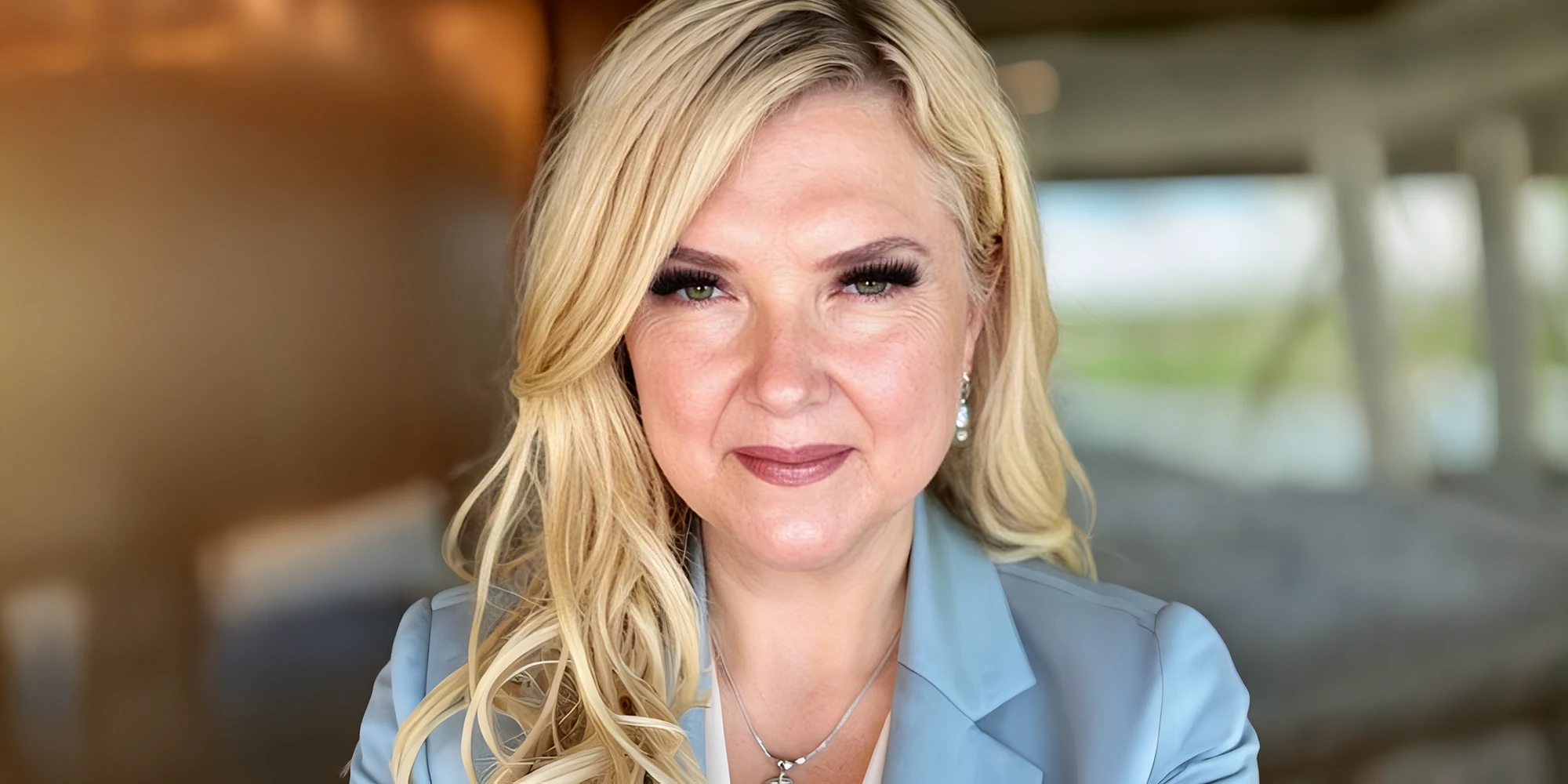
In this Greatest Hits episode of The Curiosity Current, host Stephanie Vance revisits five conversations that show how insight grows when it is handled with depth, imagination, and care.
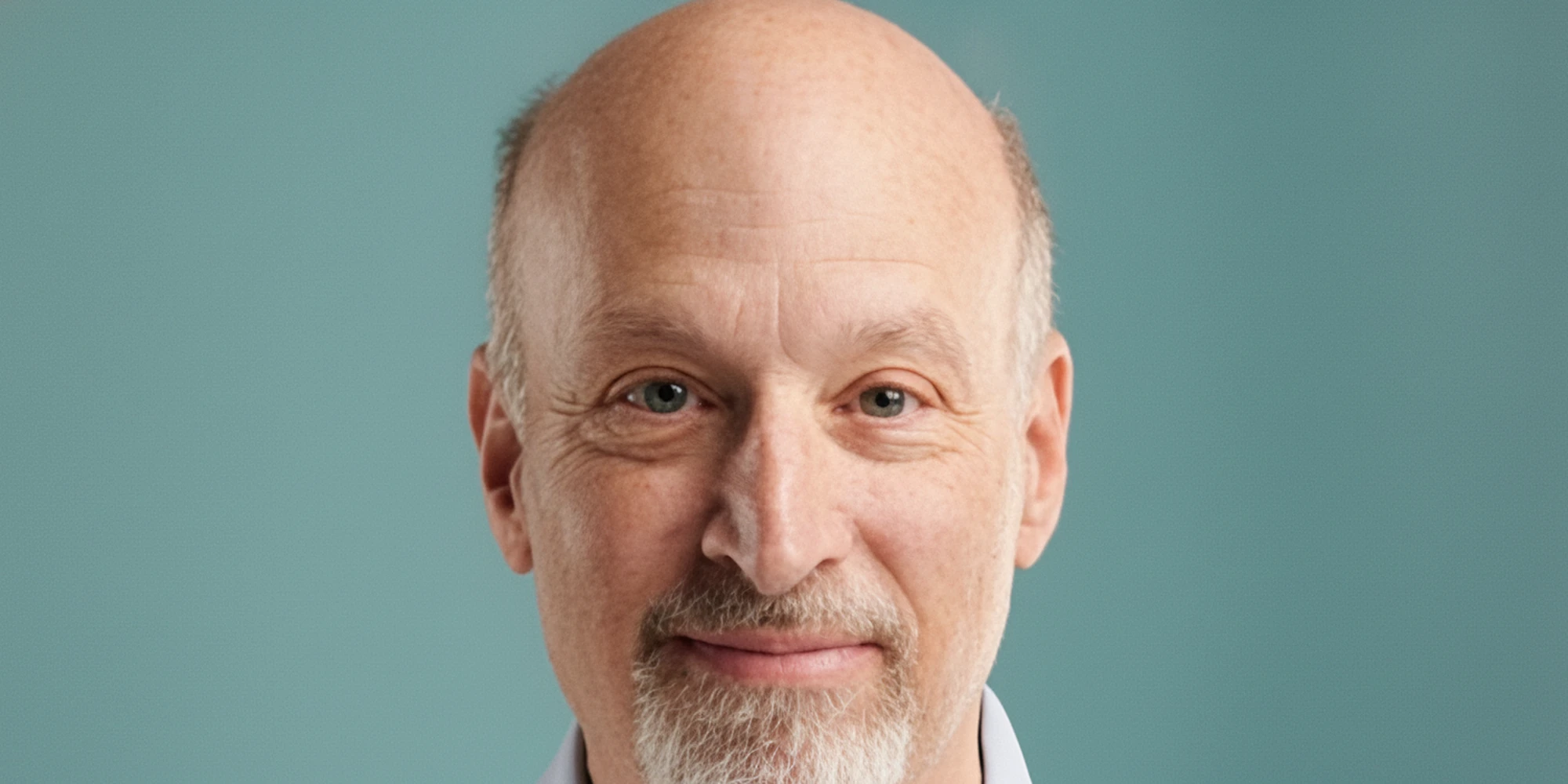
Adam Hagerman, a researcher and strategist whose career has spanned Apple, GLG, and Indeed, opens the episode with a shift that changed the way his teams worked. Instead of treating research as a confirmation step, he used theoretical frameworks to help people think more broadly about what they could build. He talks about the moment when leaders stopped looking for reassurance and started exploring possibility. His approach shows how structured thinking and narrative clarity can push teams toward ideas they might have overlooked.
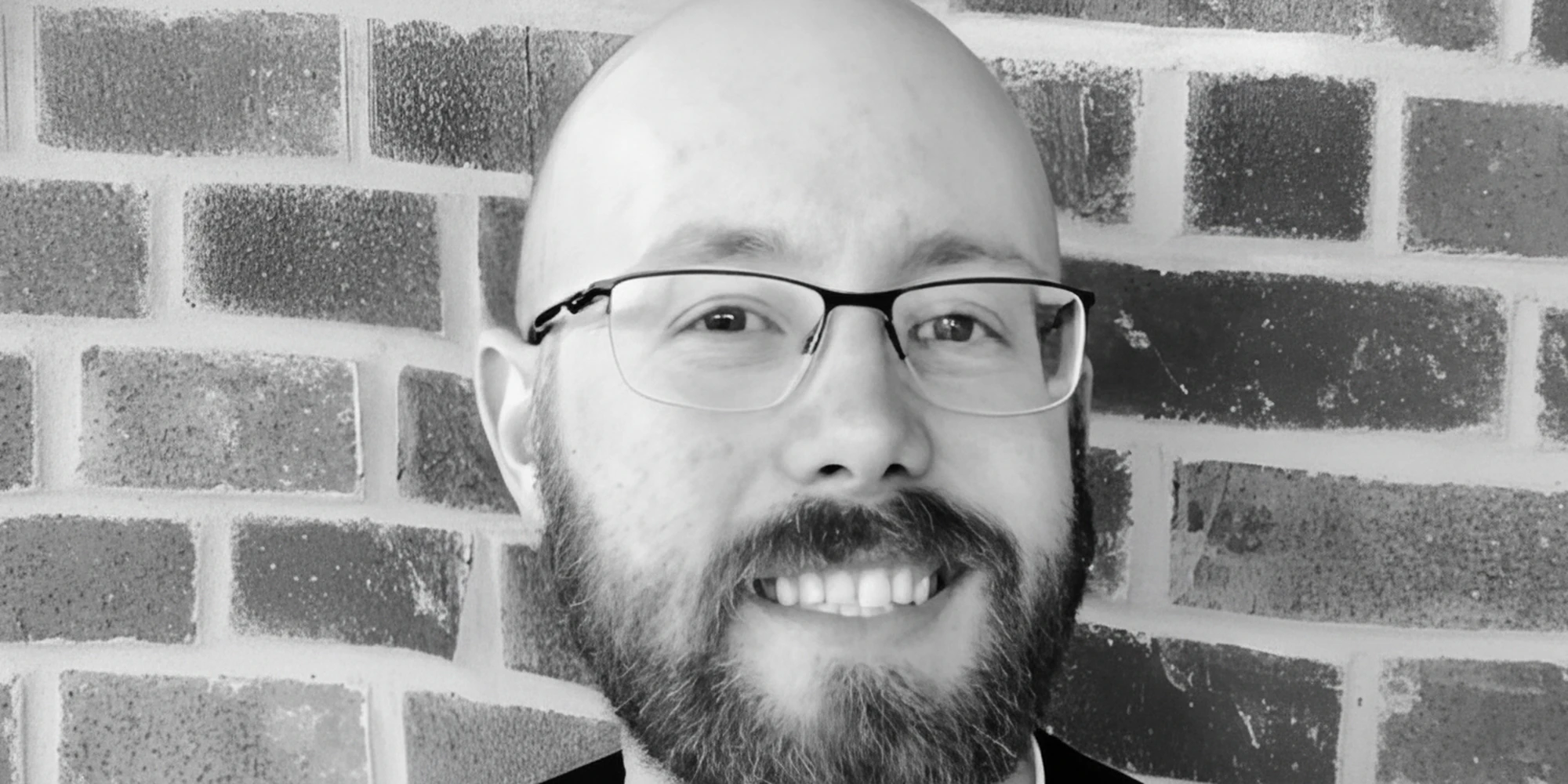
Lindsey Goodman, Consumer Insights Leader at Wolverine Worldwide, brings us into the world of lived experience. Ethnography allows her to watch people move through ordinary moments that carry unexpected weight. A shopper pausing at a shoe wall. A runner tightening a lace. A decision made quietly, without explanation. These small details often reveal more truth than direct answers. Through her hindsight–insight–foresight model, she shows how past patterns, present behavior, and emerging signals can work together to shape products that feel intuitive and relevant.
Marcus Cunha Jr., Professor of Marketing at the University of Georgia and Director of the MMR Program, speaks directly to the heart of influence. Research holds real value only when it helps people make decisions. He pushes his students to understand that accuracy alone is not enough. They must connect insight to business outcomes, communicate clearly, and frame their work in ways leaders can act on. Without that discipline, even strong research fades into the background.
J. Walker Smith, Knowledge Lead for Strategy and Consulting at Kantar, zooms out to the cultural landscape. After years of forecasts about a fully digital world, the pandemic revealed something else entirely: people want to return to experiences that feel textured, physical, and human. Markets, festivals, shared gatherings, small rituals, the moments that remind us who we are. He believes that digital tools will evolve to support these analog desires rather than replace them, giving researchers and brands a wider canvas for understanding real life.
Ben Valenta, Senior Vice President of Strategy at Fox Sports and co-author of Fans Have More Friends, brings the episode to a close with the social side of human behavior. Across leagues and across countries, highly engaged fans share common traits: stronger friendships, higher well-being, and a deeper sense of belonging. The patterns hold consistently, even when the sports differ. He explains why fandom is not simply enthusiasm. It is a form of social infrastructure that gives people connection, energy, and meaning.
Across these five conversations, a single thread becomes clear. Insight lives in the ways people think, behave, connect, and create. When researchers understand those layers, their work does more than inform. It guides, aligns, and helps organizations make choices that reflect the real world.
Transcript
Intro - 00:00:02:
Hello, fellow insight seekers. I'm your host, Molly, and welcome to the Curiosity Current. We're so glad to have you here. And I'm your host, Stephanie. We're here to dive into the fast moving waters of market research where curiosity isn't just encouraged, it's essential. Each episode, we'll explore what's shaping the world of consumer behavior from fresh trends and new tech to the stories behind the data. From bold innovations to the human quirks that move markets, we'll explore how curiosity fuels smarter research and sharper insights. So whether you're deep into the data or just here for the fun of discovery, grab your life vest and join us as we ride the curiosity current.
Elana - 00:00:46:
So at Indeed, you led research programs that touched really every part of the labor market ecosystem. In today's product innovation landscape, how would you say the role of research has evolved from being a feedback mechanism to a strategic driver that really shapes the what and the why of products?
Adam - 00:01:09:
Good question. It's one thing to state what has happened, and it's another thing to try to change the outcomes on the other end. Research helps us figure out how the thing works and how we can modify how the thing works towards a desired end, and that's why science exists. Right? It's to tame nature. The transition for me, moving from validation of like, yes, this was the right thing to do. I did something that sometimes gets researchers into trouble. I showed them that we can have a theoretical framework for how the thing works. And that allows iterative thought, like infinite thought experiments. And what it allowed people to do was think more in the realm of possibility rather than, did I get it correct? And changing that mental framework, just the framing even, I demonstrated that research could help set the future instead of just recording what had happened. Because we were able to use all of those fast facts and figures that we dredged up in the primary data collection. And we were able to frame it into a story, a narrative that my stakeholders could engage with much like they do their movie, their favorite movie characters, their characters in books, plot lines in the news. I was able to give them the same bits of information and spin them on a way to work through that narrative so that research was informing what they eventually build rather than validating that what they built was a good idea.
Matt - 00:02:36:
What is it specifically about ethnography, this sort of intimate social science, if you will, that makes it so powerful, so sticky, even in a massive corporate insights environment?
Lindsey - 00:02:54:
It lets you observe people in their element. And so it's not about what they say. It's about what they do. It's about what they don't say. It's about how they behave when they think no one's watching and they're not trying to impress anyone. So you're not just hearing from them. You're with them. You're seeing how they lace up a pair of shoes before a run. You're seeing how they shop the shoe wall at their local or run specialty store. You're seeing in real time what's annoying them, what's exciting them. And it's those small moments that I think unlock the biggest insights. I have stakeholders that still to this day will quote somebody that they heard in an ethnography several years ago and talk about how that completely changed how they approach their job. That kind of emotional resonance, it just doesn't come from pie charts or bar charts or focus group transcripts. It comes from shared experience.
Matt - 00:03:45:
That makes a lot of sense. We're going to be talking about ethnography a lot today, but I do want to just back up for a second and give you a little bit of space to talk about where ethnography sits in your larger toolkit. Because I know at Wolverine Worldwide, you had shared, you know, you have an interesting framework for exploring insights in a more comprehensive way. So if you could just talk to us a little bit about that and where ethnography plays its particular role.
Lindsey - 00:04:10:
I'm glad you asked this question because as much as I love ethnography, it's really only one piece of the puzzle. And so at Wolverine Worldwide, we use a framework we call hindsight, insight, foresight. So think of it as kind of three overlapping lenses that, you know, when used together, give us this full 360 view of the consumer. So hindsight is all about looking back. You know, what has already happened? This is where our market intelligence team lives. They're analyzing sales data and market share shifts and competitive performance. It's fundamental. It's important for us to know where we've been in order to know where we're going, right? Insight is now. It's where we're digging into current consumer behaviors, perceptions, unmet needs, motivations, and ethnography fits squarely here. It's a tool we use to understand the human context behind the behavior that we're seeing in the numbers. And then there's foresight, which is probably the most interesting but ambiguous of the three. It's about identifying kinds of signals, watching cultural shifts, and anticipating future consumer behavior. It's not about predicting the future with certainty, but it's about preparing ourselves for the possibilities that may shape the market as we look to the future. So I can give you a great example of how these have come together for us. You know, a few years back, our hindsight data showed us that Saucony had really strong equity and trail running higher than you'd expect based on the level of investment we were making. So that was a clue. And then we launched a global trail running ethnography, and we found that trail runners were really burned out on kind of heavy, overbuilt shoes. They were craving something that still performed, but felt like they're road running shoes, something that was lighter and simpler and more versatile. And then in foresight, we were starting to see these emerging signals around life becoming more fluid and work and play and travel all blending together and this desire for personalization and kind of multifunctionality in the products that they were buying. And so when you overlap those three, you get this really clear consumer opportunity. And from that, we ended up building not one, but two product franchises. One of them was brand new. One of them was a reimagined version of an existing one. And those franchises have gone on to become some of our best performing lines in the trail category. And so it really is that triangulation that turns insight into action. So ethnography is one part of it, but it's really powerful when you get all three.
Stephanie - 00:06:33:
I have a question just to continue along in this vein but maybe from a slightly different lens. So, a pattern that has been coming up in the podcast with some of our other guests, particularly those that work at brands like we were just talking about. This trend is that more and more often, we are seeing that consumer insights functions have a seat at the table. Researchers are expected to have a point of view and influence strategy rather than simply report the news, which I will say when I first entered the industry, particularly on the supplier side. It could feel like that sometimes, I'm here to be a truth teller. And, like, that's not inherently bad, but it's like, you shouldn't just be a truth teller. There's more beyond that. And it's been really interesting to hear that the expectations even within companies are different. We're not having to, like, knock down those walls and invite ourselves in, but that there's more invitation from the c suite to be part of those decisions. Are you seeing similar trends? And do you feel like a lot of the way that you prepare students then, is kind of focused on being part of business strategy and those conversations that push the business forward and outcomes that can be measured rather than executional prowess only.
Marcus - 00:07:48:
Definitely. We teach them the methods and the analysis, and they say, okay. So the test statistics’ significant, but so what? Or or even then, like, okay, significant is? Let's say, concept A is better than the current concept that we have. Okay? But how costly will it be to implement the concept? Like, what's the marginal gain that we're gonna have there? Might be strategically significant, but might not make sense from a business standpoint. So, you're probably familiar with that joke, it goes like this, “there's a guy lost on a hot air balloon, and then, like, he's a CMO of a company, and he asked a guy on the ground, say, do you know where I am? He's like, oh, yeah. Your latitude is X. Your longitude is Y. Your altitude is A and this and that and then the CMO says, you must be a research analyst. And he says, how do you know? It’s because you gave me all this information that's correct, and I still don't know where I am.”
Stephanie - 00:08:51:
Right. Yeah. That's the danger. Right? Yes.
Marcus - 00:08:55:
Yes. So that's the thing we are really emphasizing. We do have methods courses, but we emphasize a lot the delivery of persuasive insights that will help people to make decisions. Because otherwise, research that stays on a hard drive is a cost. If you become a cost center, you're gonna be the first one to go when things are not going well. So time insights to ROI. It's a challenge but that's what needs to be done. Because CFOs are the ones that are gonna approve budgets and if we cannot talk to a CFO about the ROI, it's gonna be harder for you to grow your influence in the company.
Andrew - 00:09:48:
Walker, you and I have had a lot of really good discussions over the last decade, a little bit more than a decade now. And one thing I've always valued is your ability to think ahead a little bit. And we've talked about different things, whether it's work related or personal or whatever it might be. So I'm curious. Now looking ahead five years, what trends or technology do you think will change the way brands generate and use insights? And then, really, most importantly, how should researchers prepare for that?
J Walker - 00:10:13:
Let me answer that question in a slightly different way as opposed to sort of predicting the future of marketing and the future of research per se. I think, oddly enough, we are about to kind of enter a golden age of analog. I think one of the odd, kind of ironic, I guess, is a better word, consequences of this increasingly digital and AI world in which we will live is that it will lead to a resurgence of analog things in our lives. We are gonna use digital to become more analog. In fact, the way that I like to put it is to say the future of digital is analog. We're not headed into the future so that we can live a 100% digital life. Remember, before the pandemic, how we kept talking about how digital was gonna take over our lives, you know? It was gonna put brick and mortar out of business. It was gonna drive our car. All these things, digital is just gonna run our lives. We're gonna be 100% digital. We didn't quite know what that was gonna be, but we felt like digital was coming to take over the world. And then we had the pandemic, and we all got locked down in quarantines. And so what happened? Well, we actually experienced what a 100% digital life was like and did we like it? No. We hated it. We couldn't wait for it to be over, and we rushed back into the marketplace. And the things that really boomed in those couple of years of excess spending that we had, revenge spending, whatever it was, right after the pandemic, were services, travel, and analog engagement. It's kinda like we wanna use digital for analog engagement. So when we think about the future of brands and the future of marketing and the future of research, I think it is all gonna be about a world in which people are getting back to the things that really matter to them. And it's not time on the computer, it is time and analog engagement. And by the way, before the pandemic, I used to deliver a presentation I called human scale. And I used to say to my audiences of marketers, look up from your digital screens, there's an analog world booming all around you. You know, we record the number of farmers markets, cafe culture, coffee shop culture, music festival culture, and then all these little signals, you know, vinyl LPs and wooden toys and urban greenways. And that's what people wanna do. I think digital is gonna unlock more opportunities to do that. So I do very strongly feel like the future of digital is analog, and I think brands have to understand that in the ways they engage with us.
Stephanie - 00:13:06:
That's so fascinating, and I'm hoping that you'll start producing the T-shirts soon so we can buy them.
Stephanie - 00:13:14:
Getting to that, you're pointing out the universality of it. But I am curious because you mentioned lightly internationally speaking to any differences. I would love for you to unpack that if there are differences. I was also wondering just something I'm curious about is I think that we can look at different sports and identify I feel like an NBA fan is so different from a hockey fan. That's just being in the stadium is a completely different experience. Nevertheless, is this just universal across sports? It's really not. There aren't a lot of sports-specific differences.
Ben - 00:13:48:
So we'll talk about international fan in a second. But to the second question, there aren't a lot of differences. And in fact, the idea, the framing again, like, that's a pet peeve here is, like, how we frame these different conversations leads us to getting to the right solutions, the right answers to questions. The reality is there really isn't, like, an NBA fan. It's the wrong framing for how we think about fandom in this country. The reality is there are fans. There are sports fans. And there are people who are more engaged in sports, and there are people who are less engaged in sports. And the more engaged among us are the most likely to engage in every sport out there. So I can predict your level of NFL fandom if I just ask you about your engagement with the NBA, MLB, college football, college basketball. I will know within a couple of points where you are on the fan scale that we have developed based on your answer to other sports in question. So the most likely fan of a local NFL team in each given market are the biggest fans of the local MLB team, and so on and so forth. Right? So all these things work together. So the idea that there are NFL fans and now do you guys know someone who doesn't really follow sports and loves tennis? That person exists. But, again, we're talking about probabilities here. So the way we view the world is through very simple segmentation, three groups: high, mid, low. The biggest fan of every sport, World Surf League. Who are the biggest fans of the World Surf League? It's your highly engaged fans, which are defined by their engagement with the NFL, MLB, NBA, so on and so forth. Any sport in question, the chart looks identical, and there's a stair step up as you—the bigger the fan of the other sports, the more likely they are to be fans of F1, NASCAR, international soccer, bull riding, tennis, golf. It always works the same way. And so we have this picture in our head of the MLB fan is one thing and that's a group of people and the NBA fan is another thing. And the reality is it's mostly just the same group of people driving the majority of engagement. And then around the peripheries where we kind of fill in, it balances out averages to look a little bit different. But that's actually not the clear picture of who's a fan today. That idea of the differences between sports, there really aren't differences between sports, and it's really the same people that we're talking about. So then the international side, I get this question a lot too. It's like, this is just a unique phenomenon. This idea that fans have more friends. We haven't really talked about the wellness outcomes that come from the additional socializing that fans enjoy. So not only do fans have more friends, but as a result of all the socializing that they do, they're happier, they're more satisfied in their life, they're more grateful, they're more confident, they're more optimistic, they're more likely to go to charity. Every conceivable wellness outcome that we've ever tested comes back the exact same. The bigger the fan, the more likely to enjoy that thing, to be less depressed, less lonely, et cetera, et cetera, et cetera. So we wanted to test that against the world. What we found is, in general, it works the same way. There's a relationship to your level of engagement in sports in whatever country you're in, and the amount of friends you have, and then your mental health as a result of that. So that's true. The difference though is we see a greater magnitude of difference between your most engaged fans in America and your least engaged fans or your non-fans in America. And really the way to think about that is we have a much more robust sporting infrastructure in this country than in other countries. So when you delve into think about, like, the rabid soccer fans in Europe, for instance. They exist. They're very engaged. That's their only sport. Like, if you're in the UK, maybe you're a cricket fan. You know, you watch Wimbledon. You catch a couple rugby matches. But there's really no other leagues to follow outside of the domestic soccer competitions in UK and then, like, your European Champions League, that kind of thing. Beyond that, that's sort of it. What we do here in this country is we move between seasons and there's always something on the horizon. There's always another sport. There's always the next thing. And that just creates this cycle of connection that then benefits engaged fans in this country more than their counterparts in other countries. So at its core, fandom works the same way the world over. And truly fandom of anything works in the same way. It's a social enterprise. But in this country, we enjoy these benefits because it's just a more robust sporting calendar, and there's more to pay attention to and more to engage with. And because the engagement leads to positive knock-on effects, we enjoy those things more.
Outro - 00:18:29:
The Curiosity Current is brought to you by aytm. To find out how aytm helps brands connect with consumers and bring insights to life, visit aytm.com. And to make sure you never miss an episode, subscribe to the Curiosity Current on Apple, Spotify, YouTube, or wherever you get your podcasts. Thanks for joining us, and we'll see you next time.
Episode Resources
- Adam Hagerman on LinkedIn
- Lindsey Goodman on LinkedIn
- Marcus Cunha on LinkedIn
- J. Walker Smith on LinkedIn
- Ben Valenta on LinkedIn
- Stephanie Vance on LinkedIn
- The Curiosity Current: A Market Research Podcast on Apple Podcasts
- The Curiosity Current: A Market Research Podcast on Spotify
- The Curiosity Current: A Market Research Podcast on YouTube




.jpeg)


