

Description
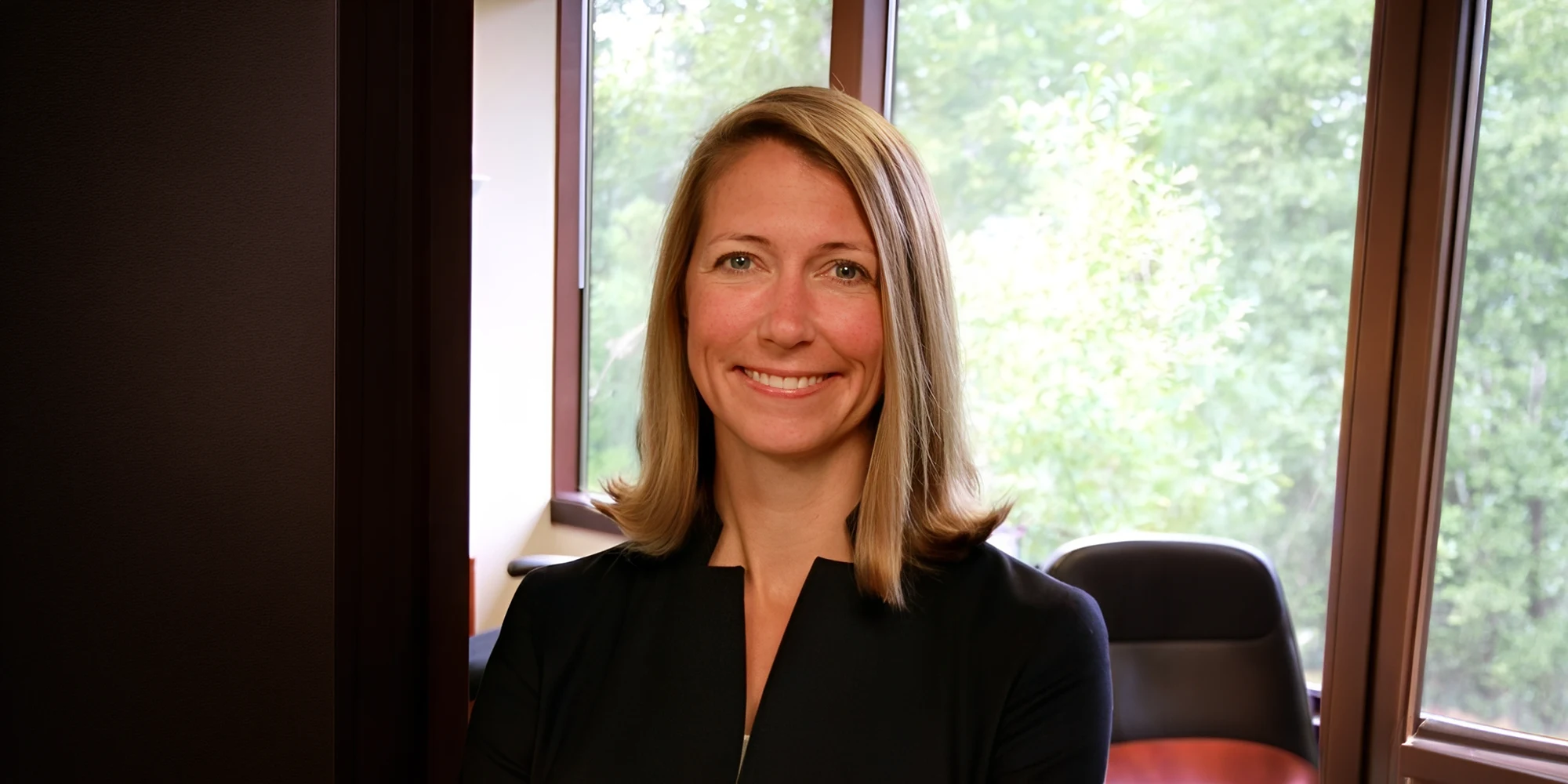
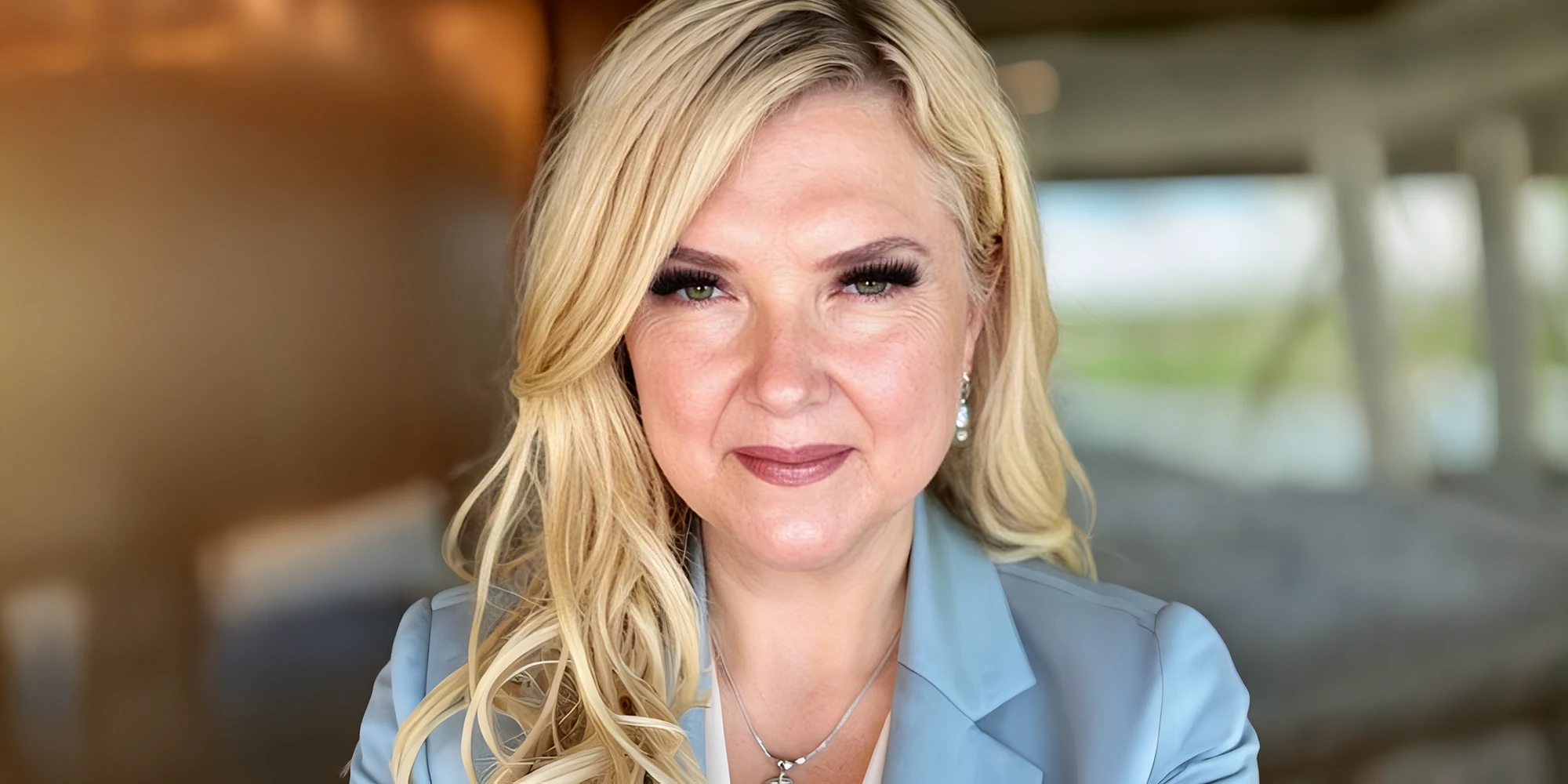
In this episode of The Curiosity Current, hosts Stephanie and Molly are joined by Laurie Demeritt, CEO of The Hartman Group. Together, they explore one of the most persistent challenges in food and beverage research: the gap between what consumers say and what they actually do. Laurie explains why this aspiration–behavior divide isn’t evidence of irrationality, but a reflection of competing priorities like identity, budget, convenience, emotion, and context; all playing out in real time.
A central theme of the conversation is the integration of quantitative and qualitative research. Rather than treating them as opposing methodologies, Laurie argues for a connected approach where insights are refined across methods. When quant and qual inform each other, contradictions become granular clarity, and researchers can better understand the trade-offs that shape purchase decisions.
The discussion also examines growing consumer skepticism around sustainability, health, and ingredient claims. While top-line data may suggest widespread distrust, qualitative nuance reveals something more complex: consumers evaluate credibility differently depending on the brand, category, and perceived authenticity.
Laurie also shares her perspective on distinguishing lasting cultural shifts from short-lived fads. From the rise of organic food to the emerging influence of GLP-1–driven behavior changes, food culture is evolving in layered ways that require deeper interpretation than surface trend spotting.
The episode closes with a leadership lens for insights professionals. For teams seeking greater strategic influence, empathy—rather than attempting to “educate” consumers—is what builds credibility and drives better decision-making.
Episode Resources
- Laurie Demeritt on LinkedIn
- The Hartman Group Website
- Stephanie Vance on LinkedIn
- Molly Strawn-Carreño on LinkedIn
- The Curiosity Current: A Market Research Podcast on Apple Podcasts
- The Curiosity Current: A Market Research Podcast on Spotify
- The Curiosity Current: A Market Research Podcast on YouTube
Transcript
Laurie - 00:00:00:
Intentionally telling us something that isn't true. There's just this very human disconnect between the aspirations we have and the actual behavior that they undertake. And so I think, especially in the world of food today, where we're almost using food as a badge for how to express ourselves to others, right, it's so meaningful to ourselves, and it's a way we make value judgments on others. So, we do think that maybe not closing that gap, but understanding the gap is really important. So, I think to answer your question, it's really in that moment of decision making that's happening with the consumer, understanding on their terms why they're making a different decision than they might have aspired to.
Molly - 00:00:40:
Hello, fellow insight seekers. I'm your host, Molly, and welcome to The Curiosity Current. We're so glad to have you here.
Stephanie - 00:00:48:
And I'm your host, Stephanie. We're here to dive into the fast-moving waters of market research where curiosity isn't just encouraged, it's essential.
Molly - 00:00:57:
Each episode, we'll explore what's shaping the world of consumer behavior from fresh trends and new tech to the stories behind the data.
Stephanie - 00:01:06:
From bold innovations to the human quirks that move markets, we'll explore how curiosity fuels smarter research and sharper insights.
Molly - 00:01:14:
So, whether you're deep into the data or just here for the fun of discovery, grab your life vest and join us as we ride the curiosity current.
Stephanie - 00:01:26:
Today on The Curiosity Current, we are joined by Laurie Demeritt, CEO of the Hartman Group.
Molly - 00:01:32:
Laurie leads one of the most respected consultancies in consumer insights for food and beverage. She spent years helping brands understand not just what people buy, but why they make the choices they do, especially in the fast-evolving world of wellness and sustainability.
Stephanie - 00:01:46:
Laurie's work blends quantitative data with qualitative observation, helping companies reconcile what consumers say versus what they actually do. Laurie has also contributed extensively to industry pubs and spoken at events like the Fancy Food Show, exploring trends and behaviors that influence business strategy.
Molly - 00:02:04:
Today, we're unpacking how quant and qual research can drive smarter decisions in food and beverage, why understanding consumer behavior in wellness and sustainability is perhaps more complex than it seems, and how leaders can translate insights into meaningful action. Laurie, we are so excited. Welcome to the show.
Laurie - 00:02:22:
Thank you. I'm delighted to be here.
Molly - 00:02:23:
I wanna kick this off because there's so many interesting things that I want to talk about with you. But to set a baseline, you have spent your career studying the gap between what consumers say they value and what they actually choose to eat, which can be a pretty substantial gap. When you look back across that work, what's one insight that perhaps genuinely surprised you or even something that challenged a very deeply held assumption?
Laurie - 00:02:48:
Yeah. I think it was probably pretty early on in my career. I had the sense that we were all sort of rational beings, right? And we would make decisions based on rational behavior. And I think it was a real milestone for me early on to discover that we really couldn't assume that and that we shouldn't put consumers in boxes and say someone is, you know, a healthy consumer or someone's just a value consumer. It's sort of silly, right, because all we act differently day to day, moment to moment. There are all these factors that go into the decisions that we make. And so what I was thinking about is this sort of irrational behavior by consumers, which is simply a part of their everyday lives, and it didn't seem irrational to them. So, I'm thinking here of, you know, the consumer we'd be talking to about the healthful lunch choices they were planning to make. Meanwhile, they were eating Cheetos, right? The person who was a vegan all day long, but then would have beef for dinner. And so I think embracing the sort of so-called irrational behavior and accepting it as the norm for almost all consumers today is really important. And so, depending upon that occasion, the consumer preferences, their choices will change. That means we've gotta understand how to position our products at those different occasions. It means that putting consumers in these little boxes to define them doesn't always work. And so I think even though that irrational behavior was true for me personally, I didn't assume it was true for everyone else. But this insight, what I think it led to, which has been important for our business, is this idea that we need to do some occasion-based marketing to consumers. Based upon a specific occasion, they might act very differently on a Tuesday than they would on a Saturday, which is just one example.
Molly - 00:04:25:
And it's also moments in life. I feel like there's things that come up in somebody's life, a job change, having a child. Like, for me personally, I was always a go-to the grocery store, make the most sustainable health choice and now having a child, I've been living off Amazon grocery and just having things delivered to me. But it's definitely not how I am as a consumer usually. That's just how I am at this particular moment in time. And all the things that you were saying about consumers that talk about health and sustainability but eat Cheetos, I felt very called out.
Stephanie - 00:04:58:
I wanna jump us back just a little bit from just, like, the super interesting, like, category insights and talk a little bit about methodology. I think, you know, quantitative and qualitative research are often treated as separate lanes. I hear this a lot from our clients, like, when they show up with a business issue, do we wanna use quant for this, or do we wanna use qual? From your perspective, what changes, what gets unlocked when organizations stop treating these as parallel inputs and start using them as an integrated system for understanding food choice? And I think another way to ask is just, like, what does combining these methodologies unlock that neither approach can deliver on its own?
Laurie - 00:05:38:
Yeah. We think they're so powerful when used together, and that's what we always try to do if pragmatic considerations allow, on the end of our clients, budget, timing, etcetera. But I think there's many ways along that continuum to integrate them, right? There's sort of the little step of sort of doing them both and having them build off of one another, right? So, you're kind of sharing information or truly integrating them when the teams are actually the same that are doing both the Quant Nepal research. And I think that's so important because then you can refine along the way, you're gonna optimize all the results and the outcomes that you're getting, and so we really try to stop from juxtaposing those together, right? You hear it all the time. Right? Well, the quant said this, but the qual said this. And I think just kind of embracing that, and even embracing we're just talking about the messiness of consumer behavior when you're doing both in an integrated fashion. It makes that sort of irrationality make more sense, and I think it gives us a much better understanding of choices, how consumers are making choices, how best to speak to those consumers, so we love having our teams be on both sides of that, like, even though they might have a strength or one or the other, they work as an integrated team, and that refining and optimizing is a key part of what we think allows our clients to be successful.
Stephanie - 00:06:53:
That makes a lot of sense. And I also, you know, you mentioned the part about, like, when timing and scope allows and certainly from a scoping perspective, it's gonna be more expensive the more you do. But I would imagine that there are times that by integrating quant and qual, you're actually able to move faster. Do you find that to be the case?
Laurie - 00:07:11:
We do think that is the case because there's so many times if you're just doing a quant survey, for example, you might not know how to ask the question right. And if you make the wrong choice and ask use language that maybe the consumer won't resonate with or understand, you're not gonna get a good result. So, how wonderful that then we can maybe go out and do a really quick kind of qual test, right, to just kind of see, well, how do consumers talk about this? What words do they use? And get that into the research in the right way. Obviously, in the same fashion, in the case of a qualitative-only project, you find some really interesting nuances. You're going down these rabbit holes, but being able to find out, are these really something that are going to matter in terms of just the size and maybe even the volume of sentiment we have here? So, certainly, doing both can find efficiencies and stop you from making mistakes that might happen if you're just doing one in isolation from the other.
Stephanie - 00:08:01:
Yeah.
Molly - 00:08:02:
And does that mixed methodology help to support closing the gap of that say do gap, what people report in a survey, perhaps and what then what they choose on a shelf? Is there any other methods, you know, that you can share other than, like, you know, the quant and qual married together that can support finding out more about that?
Laurie - 00:08:23:
Yeah. And I think that gap is an interesting one, right? So I wanna be clear that we don't believe that the consumer is intentionally telling us something that isn't true. There's just this very human disconnect between the aspirations we have and the actual behavior that they undertake. And so I think, especially in the world of food today, where we're almost using food as, like, a badge for how to express ourselves to others, right, it's so meaningful to ourselves, and it's a way we make value judgments on others. So, we do think that maybe not closing that gap, but understanding the gap is really important. So, I think to answer your question, it's really in that moment of decision making that's happening with the consumer, understanding on their terms why they're making a different decision than they might have aspired to in the first place. And I think that actually also brings up some really interesting findings. So, for example, we might think a consumer's making an unhealthy choice because they're buying something that, you know, we might think of as not healthy. But for them in that moment, it's a nostalgic product, or maybe it's something that tastes really good. It's all about comfort. And so that decision is actually laddering up to what mean in a helpful choice in terms of mental wellness or emotional well-being. And I think that, you know, talking that through when they're making that decision, you know, why did you choose that gets to some of those findings where health in that moment means that choice of a food that might be very high in calories and very high in sugar. And so I think, again, not asking in just a simply objective way, but really truly understanding their emotions. We believe you can do that, especially with ethnographic research.
Molly - 00:09:59:
I've not heard it from that perspective before because you're totally right. I don't think I've ever purchased Ding Dongs while trying to go on some kind of diet. It's always been that I’ve had a hard week, I need to have this product that I used to have when I was a kid.
Laurie - 00:10:12:
Your mental health.
Molly - 00:10:13:
Yeah. I never thought of that, that Ding Dongs could be healthy, but for another reason. That's super fascinating.
Laurie - 00:10:21:
Yeah. I think it's similar. I had a situation not too long ago where I was with a family who was trying to eat less fast food, right? And that was a helpful choice, but they were having a really tough day. And in that moment, in that car, going to the drive-through was the healthy choice for the family because it gave them peace in the car, their home got along, the parent felt like, okay, they ate something, the kids were talking to each other again and so that idea of sort of mental well-being and emotional well-being, I think, is really underplayed. And I could go off on a big tangent there. Mental health is now the number one concern of consumers when it comes to health conditions, anxiety and stress specifically. So, I think there's a lot there for us as folks in the food industry to wrap our heads around and not, again, think just too objectively about what health and happiness mean to consumers today, but think much more broadly.
Stephanie - 00:11:07:
There's something else that you said that I kind of wanna tap into a little more. I loved that you talked about, like, aspirations that they're often what create that mismatch, too, right, that it’s because one is reflecting an aspiration for what they want to do, and then one is, you know, behaviors all rarely live up to aspirations 100% of the time. One thing, I experienced in fitness research, same deal, right? People have aspirations for what they wanna do in terms of fitness. We found that instead of asking people ‘how often do you work out’, putting a question in front that's like, first, tell me ‘how often do you intend to work out’? Like, what's your aspiration? And giving them the freedom to first say, “I'm trying to do this”, that they were far more likely than in a follow-up, or we say, how often do you actually go? That they needed to express that aspiration to be able to come in and accurately give you the actual behavior and kind of mitigated that effect, which is fascinating, you know?
Laurie - 00:12:10:
I agree. I think that's really interesting. I mean, we know obviously the aspiration is gonna lead the behavioral change, and again, when our clients are saying, well, we need to know specifically what we're doing, we agree that's important, but sometimes what's really important to measure is just how that gets, you know, so that disconnect changes over time. So, as their aspirations continue to build up, their behavior will move along, but that first piece needs to happen. And I think you're right. In many cases, with a lot of our qualitative research, we spend the first 10, 15minutes, it's almost like we don't wanna call it jump research because it's really important, but it's almost like giving them an opportunity to get all those things out, the things that they feel like they should be saying or should be doing. That, and then we start to dig in because now they've kind of said that. They know where they wanna go, and now we can kind of put that aside and talk about where their lives are today. So, I think just articulating a lot of those aspirations is a really important part of our research to then get into the true behavior.
Stephanie - 00:13:07:
I love that. Well, we're just gonna keep rapid-fire changing topics on you, so I hope you're ready. But there's a topic I really wanna get into around, because of the space that you work in, around consumer skepticism, both wellness and sustainability are spaces where we know consumers are increasingly skeptical of things like claims, of labels, sometimes even brands themselves. I have a few interrelated questions. So, you know, if we wanna take these piecemeal, we certainly can. But first, I'm curious, like, how does that skepticism show up differently in quant versus qual data? And then ultimately, how does it influence their choices? And then what can brands do to sort of respond when a belief or a perception is the barrier, rather than something that can be more easily intervened on, like awareness? Right? Like, we have ways to counter the lack of awareness, right, with ad dollars and things like this. But what do we do to, you know, change a perception like that?
Laurie - 00:14:10:
Yeah. Well, I think, so starting right from the get-go with the skepticism, right, and how that sort of plays itself out. When it comes to wellness and especially to sustainability, we do think skepticism exists. That said, it's so dependent for consumers on which companies are making the claims and what the claims actually are. So, when you just kind of ask at a high level, are you skeptical of these claims? Most people are like, yeah, I'll probably believe them, but there's some companies I'm gonna do the research on, or there's some I'm not gonna believe outright just because of who's making them. So, there's different levels of trust based on who's making the claims. And then I think when it comes to the claims themselves, it matters too. So, consumers become much more savvy, right? So when they see something that says, like, eco-friendly, it's like, that doesn't really mean anything, right? And then they've read, like, oh, well, maybe cage-free doesn't really mean anything either. And so they've done a little bit of due diligence. They're more savvy. And so their skepticism can be triggered by some of these claims that consumer finds to be not legitimate. So, I think that's one thing to note. Now coming back to your question about how does this show up differently in methodological approaches, I think one thing that comes to mind recently is sort of on adjacent area, which is kind of values and trust, which leads up to skepticism. So, in the quant research, we see really high numbers like three-quarters of consumers who say they track the values of the companies they purchase from to ensure they align with their own. You know, that's a little aspirational.
Stephanie - 00:15:35:
And then I was about to say, what!!
Laurie - 00:15:37:
Okay. Yes. And then we have a third of consumers who say they've significantly decreased purchasing just in the past year based on the kind of a lack of brand alignment. So, that seems high, right? And it probably is. But I think what's important is then when you go to the qual research, and you understand kind of the why behind that, you know, what does that mean? So I think we, you know, as researchers, may have assumed when we say values or trust, we need things like political affiliations, right, or cultural associations.
Stephanie - 00:16:03:
Sure.
Laurie - 00:16:04:
What the consumer means are things, many times are often much more pragmatic. So, we had a consumer say, “Well, you know, the brand made its package smaller, but it was still charging me the same amount, and that seems untrustworthy to me. It makes me skeptical about that company that they weren't forthright about it. Or a company that might be now using recyclable packaging and making big claims about it. But now the product doesn't stay fresh as long, and it tends to fall apart now in that packaging.” And so I think when we talk about sort of values or trust or skepticism, yes, it can be about those big things, the eco-friendly and the organics of the world. But in many cases, it's much more pragmatic. And so I think that the marriage of the quant and the qual information can be really helpful because you can kind of understand now both the action the consumer is taking, but what the reason behind it is. And it's not always sort of, like, as highfalutin as we might imagine.
Stephanie - 00:16:52:
Totally. Those are fascinating examples. I wonder too, like, when you talked about maybe, like, not expecting a brand to play, the brand not having, like, the legitimacy to play in a space. Is that something that it, like, would that affect, like, conventional brands suddenly being like, and this is our organic line or whatever?
Laurie - 00:17:11:
Yeah. I think that was something, especially as you say. I mean, that was, gosh, like, 15 years ago, when all the mainstream brands were bringing out organic. What we found for most consumers, though, is it was sort of like, if I already trusted that brand to provide the conventional product for me, I think they're probably doing the right thing. For those consumers that really lived in that organic world, it was a little off-putting. I mean, I think, you know, at a high level, what can brands and companies do about this if they're going to make claims? Well, I think it's, you know, number one, just clarity around what the goals actually are, monitoring their progress, measuring them, and then sharing back the progress. And I think the really key part here and the part that so many, like you say, these mainstream brands got caught up in is they felt like they had to be somehow, like, perfect overnight, right? Like, all of a sudden, they had to be super sustainable, environmentally friendly, and talking about climate change, and for some really committed consumers, that might be important, but for most mainstream consumers, they're just looking for progress, right? And so the consumers say, you know, I'm on a journey. I'm trying to make better food choices. I'm trying to be more sustainable. I want the companies I buy from to also be on a journey, but it doesn't happen overnight. So, I think as long as the companies can be clear about what that pathway is, that they've got the metrics, the measurements going on, and sharing those back out, most mainstream consumers are gonna be satisfied because it's really just echoing what's going on in their lives as well.
Stephanie - 00:18:31:
Super interesting.
Molly - 00:18:32:
Yeah. And I think that also plays into this idea of trade-offs when consumers are at the shelf. You know, you can test a product, and you can absolutely say in a closed survey environment that it's a winner, but it can still tank at the shelf in market. So, when you think about perhaps mixed method approaches or, you know, other types of approaches to the research, how are you finding that you measure those trade-offs? What consumers are willing or unwilling to make choices that determine, you know, their buying behavior when it comes to price, convenience, wellness, and also tying into being environmentally sustainable.
Laurie - 00:19:11:
Yeah. And I think you really hit it on the head, right? So, we've done so much work in the wellness and the sustainability space. And the question we always get from clients is, are consumers willing to pay for those things? And if so, how much? Right? So continuously, we're asked, like, you know, let's put in a survey, let's find out if it’s the first threshold, you know, 10% more, 20% more, what is it? And we always try to do our best to bring them around to a different way of thinking, especially when it comes to something like price trade-offs, right? So, rather than giving consumers these very specific scenarios or putting, you know, percentages on them, we really like doing this in a way that's much more true to life, right? Getting realistic answers. And so understanding, for example, what the hierarchy would be of categories in which they do trade-offs or not. So, organic milk to a new mom is much more important than buying, you know, organic crackers, right, for herself. It's just one example. And so, understanding what is the subcategories that are most important? Where are they willing to make those trade-offs? And so one of my favorite examples was going out into the field, and we were trying to understand how much consumers were willing to pay for organic fresh produce, specifically. Now, what was their percentage we could put on it, basically, but we wanted to do ethnographic research. And so I was shopping with a mom who did not have a ton of disposable income, but she'd claimed that organic was important to her. And so we're shopping, and she is buying organic strawberries. And those organic strawberries are, like, three times more than conventional strawberries. We're like, wow, that's a lot of money, you know, why are you willing to do that? And she said, well, I've read all these articles about how much pesticides are in strawberries, and my kids literally eat them out of the pack before I even get to rinse them. So, I always buy organic, no matter what the price is. And then thirty seconds later, we're in front of the broccoli with her, and there's conventional broccoli and organic broccoli, and she buys the conventional even though it's only like 20¢ less than organic. Like, oh, Andrea, when you buy the organic broccoli when the price point is so different. And she looks us in the eye and says, “Only my husband eats broccoli in our family, not the kids.”
Molly - 00:21:11:
That's such a mom thing. That's hilarious.
Laurie - 00:21:14:
And she didn't, you know, it wasn't, that didn't seem funny or strange to her. It was just practical, right? It's like, I'm not gonna spend the money on my husband, right? He's already, she basically said something like, you know, he's already, like, all he's diseased inside. He's fully cooked.
Molly - 00:21:27:
Yeah. Yeah.
Laurie - 00:21:28:
So, then we end up back out and say, okay, so organic matters to this consumer, right? Is she an organic produce consumer? Sometimes, yes. Sometimes, no. It depends on what the subcategories are, it depends on who's eating it, it depends on what the price differential might be. So, I think what this gets at is it's really hard to find this, like, objective number in terms of trade-offs, but understanding how occasion changes things and how category matters, I think, is a really important element of this. And it's not to say that quant isn't important here, it is important because that can help you get at some of the hierarchy, right? So, it's much less important. We see in a quant study someone saying that or saying 60% of consumers are willing to pay 10% more for organic broccoli. What we wanna know is what's the percentage of consumers who care about organic broccoli versus organic strawberries, for example, versus organic anything. So, understanding what those hierarchies are, I think, is a much better way to understand what the willingness to pay might be. And as we like to say to a lot of our clients, although they hate it, is there's not really an ROI on sustainability right now, but it's likely to be an expectation in the future.
Molly - 00:22:33:
That whole thing makes sense for that person, and it completely makes sense as a human being hearing about another human being's story. But accurately attributing data to that and measuring that, my brain explodes.
Stephanie - 00:22:50:
Yeah. And similarly, I mean, I think that went back for me to your point at the beginning that, like, it looks like a rationality, but really it's nuance, right?
Laurie - 00:23:02:
Exactly. That's exactly what it is. And it's the personalization of choices down at the individual level, which, to your point, is really difficult to figure out, right? Because you can't just individually interview every single person. You still need to bucket them. You still need to understand how groups of consumers may kind of guam together in terms of their behaviors. But, yeah, it's a very personal choice that's driven by so many other things that are going on in their lives, and it's not like, I think the consumer's thinking through every aspect of that, but it's the easiest saying, you know, my kids eat these out of the container versus I cook this and only my husband eats it. And that's how they're making a personal choice that might be very different for that consumer shopping a couple of feet away from them.
Stephanie - 00:23:40:
It's fascinating. Well, it seems like every year, probably more often than that, there is some new superfood or wellness trend that pops up. And obviously, you know, most companies don't wanna be trend chasers or fat chasers, but they also don't wanna miss real shifts or opportunities that arise in the market. I'm curious, what kind of signals do you look for to tell the difference between something that will really endure versus something that's in a hype cycle and is gonna be out as fast as it was in? And if you have an example, you know, that's genericized enough that you could share it about, you know, maybe somewhere where early research helped you identify, you know, something that looked great on paper, but that was never going to, at shelf, be something that had longevity.
Laurie - 00:24:26:
Yeah. Absolutely. Yeah. I think the first thing and this sort of, like, fad versus trend discussion, I think, is an interesting one, and one we've been having for a long time. And the one sort of caveat I wanna note is that for some companies, following a fad isn't a bad thing.
Stephanie - 00:23:39:
Okay.
Laurie - 00:24:40:
If you can meet the moment with the product and, most importantly, if you can get out of the market with the product when the tide starts changing, right? So, if you can do it right, you can make a lot of money, and companies did back in the early days, gosh, it's going way back, right, to low-carb days. If you got in at the right time and then you knew when it was over, and you got out, you were in good shape. But you've gotta be really, you know, operationally scrappy to do that. You've gotta have a distribution system that allows for that. You gotta stay really closely in touch with consumer sentiment. And, you know, as a food executive going into a strat plan meeting and saying, oh, I've got this great idea, but it's only gonna be successful for a year is probably not gonna win you a lot of trust. But fads can be chased, and you can make money off of those. However, for most of our clients who really wanna understand what the longer term trends are, what we always try to understand is, is this coming from an authentic place of consumer demand? No. Rather than just having consumers say, oh, yeah, this is interesting or I'll buy it. Is there really some baseline demand that's happening there? And is there a connection to what's happening in food culture today? Right? So, going back to organic for a minute, that marketplace was driven by this desire for food purity. So, consumers, you know, it wasn't driven by saving the world. When the organic marketplace, when it exploded, consumers said, I think this food is healthier for me because it doesn't have all this bad stuff in it. That was their perception, whether true or not. And so that consumer demand around healthier, more pure food is what drove organic, and then food culture was talking about the safety of food, and so there was this kind of broader cultural awakening about the safety of food. So to us, that's where the trends are gonna stem from. How do you figure out what those are? One of the things we like to do is, as we call it, befriend the dissatisfied. So, if you're a company, find the consumers say they hate your brand, right? Why are they not why are they not using it? Why don't they like it? What are they looking for that your brand doesn't have? Are there product dimensions, attributes? Are there symbolic distinctions going on? So, talk to those dissatisfied consumers, not to try to get them on board, but to understand how your poor consumer might be changing in terms of what they want, because in many cases, these trends are disseminating down from those disaffected consumers. Look and see what's going on in the entrepreneurial marketplace. Obviously, there's a lot of entrepreneurs with great ideas that don't have success. It's not because their idea was bad; it's because they made operational choices, distribution choices, supply choices. So, it's always really good to look at what's going on there. And then certainly understanding what are some of the products that are coming into the channels of distribution that are more niche, right? Checking out what's going on in those, you know, airport stores. What's going on? What's your gym selling today for energy? Where are some of those smaller, more interesting brands that are getting in there? So, really understanding kind of those marketplaces that are outside the norms of kind of primary qual and primary quant, and that can be done in really cost and time-effective ways. So, those are some of the kind of different types of research that we do to understand where are those cultural demand spaces that consumers might be gravitating towards and that food culture is going to allow as well.
Molly - 00:27:39:
And I'm wondering too, how do you, if a client approaches you and says, “There's this big thing that's happening, we wanna capitalize on it, how do we do that?” How do you go about determining the difference between perhaps a real behavior change that is going to continue or just a momentary thing that is happening on TikTok that is gonna not be there in a month? Is there a way to tell the difference?
Laurie - 00:28:06:
Yeah. I think part of it is the level of what's happening, right? So, there's always gonna be ingredient trends, right? There are, you know, like, it's lemongrass today and ginger. Like so, those things, they're not unimportant, right? They're important. I think we try to ladder it up to, well, what does that mean? It means that maybe the American palate is changing, that we're embracing more bold tastes and flavors, that we're looking for spicier foods. All these, you know, one-pot meals, you know, is that a fad or trend? Well, let's ladder it up. Younger consumers today, especially, you know, one of the things they hate is cleaning up after cooking. They almost hate it more than any other aspect of food preparation, the cleaning. So, is it speaking to a trend there?
Stephanie - 00:28:42:
Yes. Yes.
Laurie - 00:28:44:
So, that's why I find so many people using disposable paper plates instead of real plates. It's not that they don't have them, or they can't afford them, they just don't wanna have to clean them. So, I do think that that idea of sort of laddering one level up is always a wise move to understand the things that are going to be probably the true insight rather than chasing some of the things that are at a more minute level and harder to operationalize quickly, too, obviously. So, understanding what is that bigger consumer, that demand space as I was talking about, is causing that change.
Molly - 00:29:15:
So, what does that look like when someone comes to you who's a stakeholder in a business in charge of heavy decision-making, and they get really excited about something, but perhaps the data doesn't support what they want to do or vice versa, the data really supports what they wanna do, and you have to kinda guide that direction. How do you take those findings and present them in a way that resonates with a board of directors or a senior team? Any tips that you could share about taking those things to stakeholders?
Laurie - 00:29:43:
Yeah. I think, obviously, and part of our business is really wanting to tell the truth, right, and do that in a way where we are not marginalizing stakeholders. I think the simple way, and it's not, I say simple, but it's hard because it takes time. But to the extent that any of those senior stakeholders can hear pieces of the worker along the way. I mean, there's nothing worse, right, than having some stakeholders who believe something to be true. You go study it for three months, you come back, and they're, you know, they're not gonna buy in because it's not what they wanna hear. So, I think to the extent that we can enrol them in, and it's as simple as, like, maybe sending a few thirty-second clips of consumer videos, right, from the mouths of consumers. Passing the blame helps, too, when it's from a consumer and not from your organization, right? So, I think the extent to which you are able to get those stakeholders involved, and we do see that happening more and more, even at high levels. I think there's been really a mandate for a lot of organizations to not be so far away from the research, but really to the extent that they can see what's happening along the way. So, I do think that is an important piece of it coming from the consumer's mouth themselves always help on the other reasons that we love ethnographic research because it's not just numbers, it's bringing those voices to the table and then making it something that is obviously bite sized and of interest too, and video does a great job of that today.
Stephanie - 00:31:02:
Yeah. So, a fun one that Molly and I wanted to get into with you. You know, we know, as we've been talking throughout our conversation, consumer priorities are constantly shifting. What are some emerging trends that you're seeing today that, you know, you think are either really special or that you think brands are underestimating? Maybe that's the same.
Laurie - 00:31:24:
Yeah. I think there's some really interesting things going on right now in the marketplace, and it's sort of like some disparate camps coming together. So, for more than, gosh, almost three decades now, we've been studying health and wellness and primarily looking at what we call sort of the progressive food consumer. So the consumer who is looking for natural foods and organic foods, and you know, they're thinking about sustainability, and you know, they're a really interesting consumer, but it's a pretty small group of consumers, but they tend to set some of the trends that disseminate out. And so these are consumers who care about, you know, how is their food made, where is it from, what's in it, their willingness to pay more, and what we've seen over the past few years is now there's this kind of cultural shift where there's other types of consumers who have a similar interest in sourcing. So, whether it's sourcing natural foods, they aim to be healthier. Certainly, the MAHA movement is helping with this, you know, this idea of control being better. And so we're first starting to find that that group of consumers is interested. And then I really can't underestimate the amount of questions our clients have right now about how GLP-1, Ozempic, and other drugs like that are going to change the marketplace. And as consumers are doing some of the research around GLP-1 and sort of, honestly, this magic bullet in the minds of many consumers, it's helping to drive their understanding of things like gut health and inflammation, hormonal balance. I mean, these things that only the most progressive consumers would ever even have thought about, you know, before, last 4, 5years ago. And so it's like these disparate groups, that super progressive consumer, that sort of like MAHA-driven natural consumer, the consumers concerning GLP-1 are almost, like, coming together in a way in this really weird, like, cultural merge. And so these ideas that have been very niche kind of philosophies, almost, are starting to be somewhat mainstreamed. And so I think as a organization, thinking about how is that coming together and what does it mean for my business, I think it means that people are gonna eat differently, right? And so, so many of our clients are very, and they should be hyper-focused on, like, you know, volume loss and revenue loss, really important. But there's also something kind of nuanced going on here where consumers might be interested in eating more premium foods, right, if you can make them affordable. So, more premium because if you're on GLP-1, you're not gonna eat as much, but you're thinking more about things like fiber maxing and protein loads and quality of that protein if you're eating a lot of, right, like, animal protein, for example. The same thing that some of the people in the natural camp are looking at. The same thing that progressive consumers looked at. So, there's sort of this interesting, I think, merging of quality expectations, emerging needs, the shifting health implications, and a new understanding of what good food looks like. And so I would say, wow, what an interesting opportunity as these things come together. Now, how can we actually operationally execute on that? And so maybe by making higher quality foods, we're not gonna lose as much revenue because we can pay more for them. That's just one example. That's maybe a little crass, but I think this coming together of different mindsets, but landing sort of in the same camp when it comes to some of the products and claims they're looking at, is a really interesting and important trend that I think all food and beverage companies should be considering right now.
Stephanie - 00:34:35:
Yeah. That is absolutely fascinating. And it's something we're doing a lot of research around because our, you know, our food customers, and customers in other verticals and categories as well, right? Because this sort of cultural moment is affecting not only food, but retail, buying clothing, the way you approach fitness, like so many things, but it's been so interesting. Like, I think I know this on some level, but you're really pulling forward for me how much food is bound up in culture, which again, like, you know, cognitively, but it's, I mean, they're, like, inextricable, you know? It's fascinating.
Laurie - 00:35:11:
Yeah. Absolutely. I mean, I think, you know, food today is, as I know, tied into your values, it's tied into your cultural heritage, it is family, it expresses love, right? It's become this, like it's not about satiety and your three meals a day anymore by any stretch of imagination for most consumers. It is so much more than that in terms of emotional renewal and trying to optimize your health through food, which we're seeing more and more of. It really is a part of how we express ourselves and part of our culture today, and we don't think that's gonna change, right? A recession is not gonna change that. Right? Will people make trade-offs in what they're buying? Absolutely. Will they think differently, make their basket smaller? But that doesn't mean that the cultural associations with food are gonna go away. That's just not gonna happen at this moment.
Molly - 00:35:58:
Yeah. Yeah. I actually this is so interesting that we're switching the idea to culture because I took a really interesting course in my undergrad that was tied inherently to what food means for different cultures and what the feelings of the home fire and coming together and sharing a meal and breaking bread all impacts and how there's certain things I wrote this very extensive paper that I, actually this was a long time ago, but I actually think about often is things that certain cultures will say is important to them versus other cultures think is, like, really disgusting. And there's actually a lot of not just cultural ties, but also religious ties into what certain religions have dictated is something that you can eat versus what you shouldn't be eating or that you should pass on, whereas what you pass on might be a staple for a different community. It's all so fascinating. It is intrinsically tied to the human experience. As long as there's been humans, we've been eating food.
Laurie - 00:36:58:
Absolutely. That idea of sort of commensality around food, right? It's always been a part of human nature and humankind, and I think we're now recognizing it and articulating it and seeing benefits from that commensality that, you know, we go from the family dinner and how important that was from 50 years ago, and it's being done differently today. It's just one quick example, right? That idea of kind of gathering around food that I think traditionally has we've been told, that's what you do at the family meal. Well, that's just not practical for many families today. And so we're finding these new traditions or rituals starting to happen. So, families that are kind of gathering around the afternoon snack, like, there's this 45-minute period where the kids are home before they're going to sports, and maybe the parents are working from home, so they come down for a snack, and they're standing at the counter. So, they're not even sitting down, but they're exchanging information, and that might be the only part of the day where they're all even in the same room, and it's just wandering around a little snack. And so that snack is becoming elevated in culture because that's a way to kind of get everyone in that kitchen for those few minutes together. So, I think we still find those, we try to find those bonds of commensality around food, even if they look very different today than they did 50, 100, etc., years ago.
Stephanie - 00:38:04:
Yeah. Let's take a quick break for a round of our recurring segment, Laurie, called Current 101, where we ask our guests a couple of interrelated questions. One, first, in your experience, what's a trend or a practice in research that you'd like to see stop, and what's one thing that you'd like to see more of?
Laurie - 00:38:25:
I would love to never see a market research recommendation or result that tells a client all they have to do is educate the consumer, and everything will be fine. I think it's patronizing, I think it's irrelevant to consumers' lives today. So, let's try to stop saying that we're gonna educate them and everything will fall into place. I'd love to see more research results that identify both, you know, objectively and subjectively, functionally and emotionally where consumers are at today in terms of their needs, and then recommend to our clients that given that research, understanding where they are today, let's speak to them where they're at, right, in a way that's highly relevant, that is coming from a colleague and not trying to dictate to them and being as personal as we can, giving operational considerations as well.
Stephanie - 00:39:15:
Those are good ones. I like it.
Molly - 00:39:17:
Yeah. I think another thing that I wanted to do, just to close this out, is you're a CEO, Laurie. And so for the researcher who's listening right now who wants to move perhaps from outside that circle to into the circle of influence, what's something that is a single high-impact action that they can take, perhaps even in just the next 30 days, to help move them forward to earn that seat? And we know that this isn't just delivering more data or here's another dashboard because we're drowning in data, we're drowning in dashboards, there's so many things to look at. But instead, having that action demonstrate a value to those teams. How can a researcher approach that?
Laurie - 00:39:59:
Yeah. I think it's one of the values that has been one of our core values since we were founded 30 years ago, which is empathy. And so if that inner circle you're trying to get into is a client inner circle, for example, it would mean providing a service that goes way beyond delivering data, as you said. You know, we know AI is disrupting our clients' business. We know their budgets are shrinking. We know that people are losing their jobs. They're nervous about the regulatory environment and what can happen. And so I think what we need to do is to empathize with their situation before they even have to tell us about it, right? So, going to them with lower cost and faster ways of doing business to still get them the results they need. Being ahead of those marketplaces changes. So, understanding what that landscape might look like to the best that we can. Asking them relevant questions, not with the sort of goal of trying to get them to do a research campaign, but just to show that we understand what they're going through. I think if you're thinking about the inner circle being colleagues within your organization, for example, understanding the needs of others around you, giving public praise often and doing it in a way that's true, enhancing the leadership of others, because we know that especially in today's environment, empathy is understanding what they want, what their goals are. And so I think, you know, value, and we do a lot of research with consumers on what value means, and it's very multifaceted, right? It's not just about quantity and price. It's about relevancy, and experience, and meaning, and so I think value in demonstrating that to clients in today's business environment is providing empathy. I think it's a really essential and continuously underrated skill that's as important as delivering the right data and insights to them today.
Molly - 00:41:40:
I love that because it's not necessarily about giving them exactly what piece of information they need, but doing it in a very high EQ way. I love it when guests talk about that because that's absolutely, we need more of that in the business world; it's a challenging world out there. We need more of that. Well, this has been an amazing conversation, Laurie. I feel like I could continue to go on about a billion things. I didn't realize sitting down to this that how much, you know, just our lives in general, but also things that we're very interested in as researchers, as marketers. I feel like maybe you should come on again because I feel like there's so much more, even in the trend space that we could talk about.
Stephanie - 00:42:19:
Yeah. I don't know if I'm gonna be able to grocery shop the same now. Now that I know how nuanced my decisions are in the store, so.
Molly - 00:42:30:
I mean, definitely put us in the camp of we only buy organic for our kid.
Stephanie - 00:42:35:
Yeah.
Molly - 00:42:36:
Definitely put me in that group, me and my husband are like…
Laurie - 00:42:37:
You’re really like…
Molly - 00:42:38:
Oh, 100%. Because I was like, yeah, sign me up for poisoning myself. But not my baby.
Laurie - 00:42:47:
Not your kids, right? They're that clean slate. We wanna keep them as pure as we can for as long as we can until they hit middle school, and then it's like, alright, whatever.
Molly - 00:42:55:
Oh my gosh.
Stephanie - 00:42:56:
Then you have no control. Exactly. Yes.
Molly - 00:42:59:
Oh, there's so many things where I've, you know, I follow a whole bunch of mom influencers on Instagram, and it's always like, give your kids the most pure food that you ever want. When they're three years old, they will still all eat dirt. Calm down. It's gonna be okay. Alright. Well, thank you so much again, Laurie. You have been an amazing guest. We appreciate your time today.
Laurie - 00:43:19:
Thank you for having me.
Stephanie - 00:43:20:
Absolutely.
Stephanie - 00:43:23:
The Curiosity Current is brought to you by aytm. To find out how aytm helps brands connect with consumers and bring insights to life, visit aytm.com. And to make sure you never miss an episode, subscribe to The Curiosity Current on Apple, Spotify, YouTube, or wherever you get your podcasts. Thanks for joining us, and we'll see you next time.



.jpeg)


